Thinking about a vacation-rental condo in Kaʻanapali but unsure what changed and how it affects income? You’re not alone. Between new county rules, layered lodging taxes, and different building zones, it’s easy to miss a detail that reshapes your numbers. In this guide, you’ll learn the key rule that matters most, how to confirm a unit’s legal status, what taxes to model, and a simple way to evaluate returns in 96761. Let’s dive in.
Why Kaʻanapali draws bookings
Kaʻanapali is one of Maui’s signature resort corridors. Visitors come for Kaʻanapali Beach, snorkeling near Puʻu Kekaʻa (Black Rock), and the shopping and dining at Whalers Village, which keeps interest strong year-round. You can see the area’s core appeal on the Kaʻanapali Beach overview.
Hotel performance data also shows West Maui has supported high room rates over time, even as occupancy has shifted. Recent reporting noted Maui hotels kept the state’s highest RevPAR while working through recovery and seasonality. For context, review the HTA hotel performance summary.
The rule that matters most
Maui County passed Ordinance No. 5909 (known as Bill 9). It phases out transient vacation rental use in apartment-zoned buildings that had been operating as lawful nonconforming units, often called “Minatoya” condos. For West Maui, the amortization ends on December 31, 2028. That means affected units must stop nightly rental use on January 1, 2029. You can read the official text in the Bill 9 ordinance.
The County confirmed final passage and next steps for owner notices and parcel lists, so buyers should treat this as current law and perform parcel-level checks before offering. See the County’s announcement for context.
Important distinction: many beachfront resort buildings in Kaʻanapali are hotel-zoned and remain eligible for short-term use under the County Code. Apartment-zoned properties on the County’s short-term occupancy list are the ones subject to the phase-out schedule unless rezoned. Always verify the specific parcel.
How to check a unit
Start every evaluation with these steps:
- Confirm zoning by parcel (TMK). Use the Maui Island zoning map to verify whether a unit is hotel-zoned (H districts) or apartment-zoned (A districts).
- Check the County’s short-term rental resources to locate approved STR permits and guidance. This is also where you can confirm administrative details and contacts. Visit the Short-Term Rentals page.
- Review the condo association’s CC&Rs, rental policy, house rules, and meeting minutes. Some AOAOs limit or prohibit nightly rentals even if zoning allows it.
- Confirm the parcel’s real property tax classification and payment history with Maui County RPAD. Classification matters because short-term rental classes have different rates.
Pro tip: ask your agent to pull the TMK report and AOAO documents early. You will want those answers before you model returns or write an offer.
Taxes that hit your revenue
Hawaiʻi taxes lodging in layers, and those percentages add up. Model them clearly so your pro forma mirrors reality.
- State Transient Accommodations Tax (TAT). The State TAT is 10.25% through 2025, then 11.00% starting January 1, 2026 on income received or earned on or after that date. See the Department of Taxation announcement.
- Maui County Transient Accommodations Tax (MCTAT). The County also levies 3.0%. Review the MCTAT guidance.
- General Excise Tax (GET) and county surcharge. Hawaiʻi’s GET applies to gross rental receipts. Maui’s county surcharge took effect in 2024 and affects the pass-on rate. See the GET county surcharge page.
Illustrative totals you can use in your model:
- For income received before January 1, 2026: State TAT 10.25% + MCTAT 3.0% = 13.25%, plus GET pass-on (about 4.712% maximum in Maui County per Department of Taxation guidance), for a visible tax-fee load near 17.96%.
- For income received on or after January 1, 2026: State TAT 11.00% + MCTAT 3.0% = 14.0%, plus GET pass-on near 4.712%, for a total near 18.7%.
Real property taxes: Maui County classifies short-term rentals in a dedicated property-tax class that has historically carried a higher rate than owner-occupied or some long-term classes. An example rate cited in recent schedules is $11.85 per $1,000 of assessed value, though tiers change. Confirm the current fiscal year rate with RPAD. For background, see the County’s real property tax policy report.
Condo types and zoning
Kaʻanapali has a mix of property types, and zoning shapes what you can do:
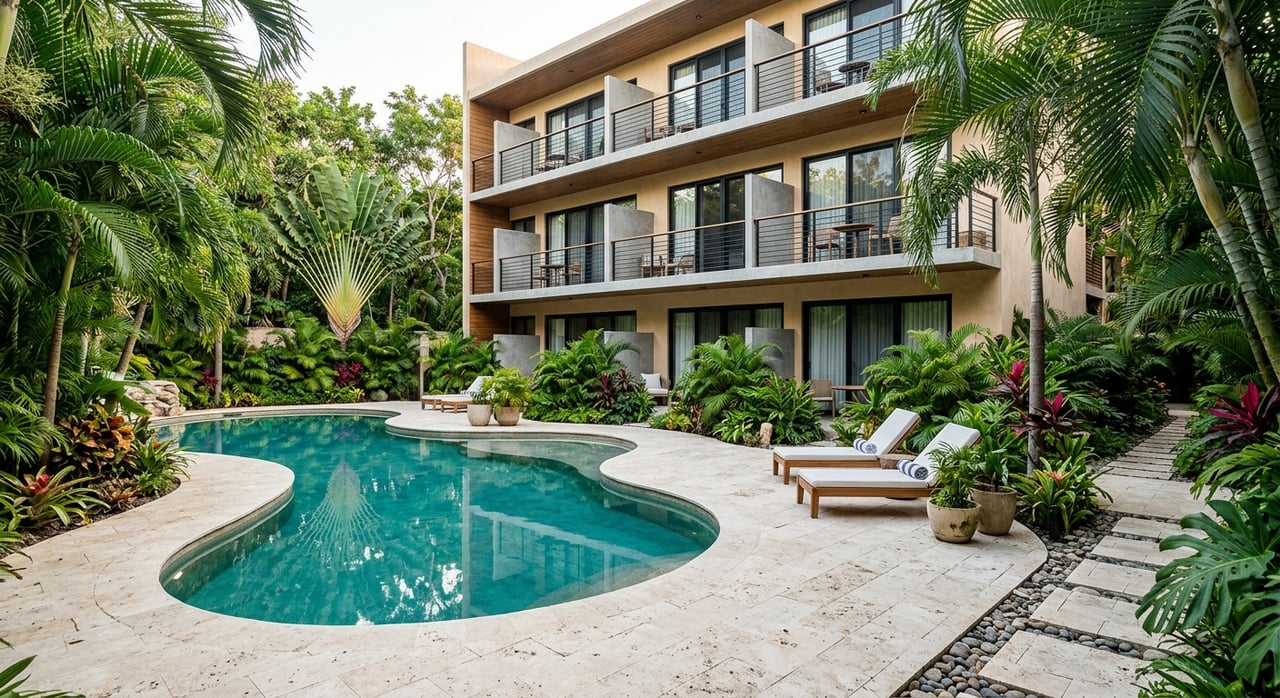
- Hotel-zoned resort condos and condo-hotels. Many beachfront and resort projects are in hotel districts and typically remain eligible for short stays. These often include front desks, resort pools, and guest services. Verify each parcel’s zoning on the county map.
- Apartment-zoned, garden-style complexes. Some A-2 properties historically operated as short-term rentals under the Minatoya framework. These are the units subject to the Bill 9 amortization unless rezoned. If a building or a portion of a complex sits in A zoning and appears on the County’s list, you must model the phase-out timeline.
Tip: zoning can vary within a single development. Always check the exact TMK rather than assuming an entire complex shares one zone.
Build a simple pro forma
A clear, conservative pro forma helps you compare options:
- Gather verified operating data. Ask for 12 to 36 months of owner statements, including nightly rates by day, occupancy by night, platform commissions, management fees, cleaning, and owner distributions. Preference real payout records over projections.
- Confirm compliance and taxes. Request evidence of TAT, MCTAT, and GET filings and the parcel’s property-tax classification. Use the state TAT guidance to align your tax dates.
- Estimate gross revenue. Multiply average daily rate (ADR) by projected occupancy and by 365. For Kaʻanapali, ADRs vary by unit type, view, and season. Use a current market tool for listing-level comps and apply a conservative buffer.
- Subtract all operating costs. Include TAT + MCTAT + GET, AOAO dues and reserves, insurance, utilities, management and booking fees, cleaning and laundry, supplies, and a vacancy and capital reserve.
Example (illustrative): ADR $350, occupancy 60%. Gross ≈ $350 × 0.60 × 365 ≈ $76,650 per year. Subtract the combined lodging taxes (about 18% depending on date and handling), then AOAO dues, insurance, cleaning, and management to see your net. Replace assumptions with actuals as soon as you have them.
Operations that boost bookings
Your management model affects both occupancy and net income:
- Self-manage. You handle marketing, guest messaging, and turnovers. Lower fees but more hands-on.
- Co-host or hybrid. A co-host supports pricing, messaging, and some operations for a smaller fee.
- Full-service local manager. End-to-end support, on-island responsiveness, and channel distribution for a percentage of revenue.
Ask any manager for a sample owner payout, channel mix, included services, and all fees in writing. Strong listing media, accurate amenity lists, and dynamic pricing usually improve conversion in resort markets.
Due diligence checklist
Use this as your quick-reference list before you write an offer:
- Verify parcel zoning and TMK on the county zoning map.
- Confirm whether the parcel appears on the County’s short-term occupancy resources or lists via the STR page.
- Read the AOAO CC&Rs, house rules, and minutes for rental limits and upcoming assessments.
- Get 12 to 36 months of owner P&Ls, payout reports, occupancy calendars, and all invoices.
- Obtain proof of TAT, MCTAT, and GET filings and the parcel’s property-tax classification.
- Secure insurance quotes that reflect short-term rental use and West Maui risk factors.
- Request a sample owner settlement from any proposed manager showing gross-to-net flows.
Key risks to price in
- Regulatory horizon. For apartment-zoned Kaʻanapali units on the County’s Minatoya list, Bill 9 sets a clear end date in West Maui: STR use must stop January 1, 2029. Read the ordinance and price any remaining amortization period into your offer.
- Tax and fee drag. Lodging taxes and GET can add roughly the high-teens percent to guest charges, which affects your net. Confirm whether your platform or manager collects and remits for you, and how fees are shown.
- Market and operating costs. Seasonality, special assessments, and insurance can shift net income. Keep a reserve and update your pro forma when AOAO budgets change.
Ready to explore Kaʻanapali options?
If you want hotel-zoned choices that keep nightly use available, or you need help underwriting an apartment-zoned unit under the Bill 9 timeline, we can help you verify zoning, review CC&Rs, connect with on-island managers, and build a clean pro forma. Reach out to MacArthur Team Maui to start a focused search and run the numbers with confidence.
FAQs
What did Maui’s Bill 9 change for Kaʻanapali condos?
- Bill 9 ends transient vacation rental use in apartment-zoned buildings after an amortization period, with West Maui units required to stop nightly rentals on January 1, 2029. See the ordinance text.
How do I confirm if a specific 96761 unit is affected?
Are hotel-zoned Kaʻanapali condos still allowed for nightly rentals?
- Many hotel-zoned properties remain eligible for short-term visitor use under the County Code. Always verify the exact parcel zoning and AOAO rules before assuming rights.
What lodging taxes apply to Maui vacation rentals in 2026?
- For income received on or after January 1, 2026, apply State TAT 11.00%, Maui County TAT 3.0%, plus GET with the county surcharge. See the state TAT notice and GET surcharge page.
How do property taxes work for short-term rentals in Maui County?
- Maui assigns short-term rentals to a dedicated tax class that has historically carried higher rates than some other classes. Confirm current rates with RPAD; see the County’s tax policy report for background.
What drives guest demand in Kaʻanapali?