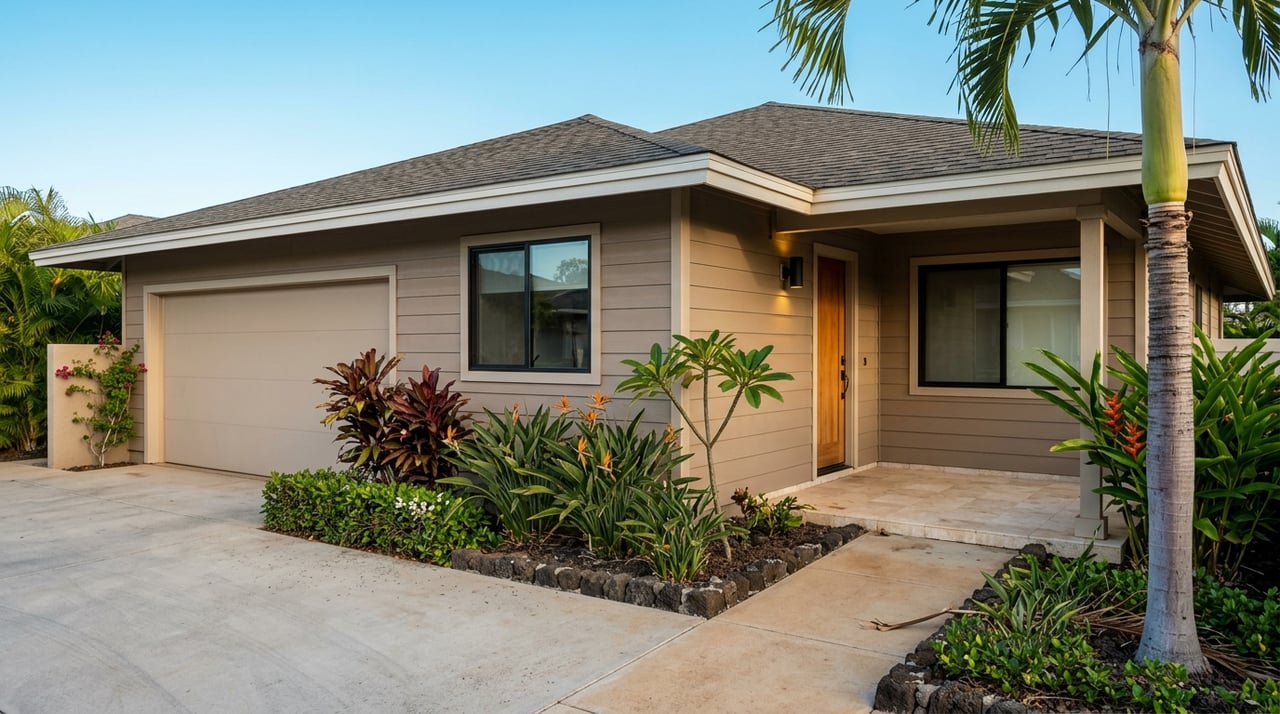
North Kihei Vs South Kihei For Full-Time Residents
May 7, 2026
May 7, 2026
If you plan to live in Kīhei full time, the north-versus-south question matters more than many buyers expect. Kīhei is a long, coastal community, and Maui County notes that daily life here depends heavily on South Kīhei Road and Piʻilani Highway for shopping, recreation, and everyday errands. That means even a few miles can shape how your week feels, from beach access to park options to how practical your location feels day to day. Let’s dive in.
Kīhei serves as the residential and commercial center of the region, while nearby Wailea is described by the county as a master-planned resort community. Within Kīhei itself, the north and south sections have different patterns of growth, services, and resident infrastructure.
For full-time residents, that difference often comes down to one simple choice. Do you want a more residential, evolving area with room to grow, or a more established area with a denser mix of parks, services, and beach access?
North Kīhei tends to feel more residential and more open in its land-use pattern. Maui County's draft subarea information shows about 17,000 acres in North Kīhei, with 4,026 housing units and 9,497 residents, along with notable future growth areas such as North Kīhei Mauka, Piʻilani Promenade, and the State of Hawaii Employment Center.
That planning context matters if you are thinking long term. North Kīhei reads as an area that is still evolving, rather than one that feels fully built out.
If you want a quieter everyday feel, North Kīhei may be the better match. The area offers a little more breathing room in its overall pattern, and county planning points to future residential and commercial growth rather than a fully concentrated amenity core.
North Kīhei also has useful community-serving spaces. Neighborhood-scale amenities include Kalepolepo Park, Kenolio Recreation Complex, and Mai Poina ʻOe Iaʻu Park.
Kenolio Recreation Complex stands out for year-round living because it includes meeting rooms, sports space, a dog park, and county offices and services. For residents, that kind of practical infrastructure can matter just as much as proximity to the shoreline.
Kīhei's corridor layout means location affects how convenient your regular drives may feel. Based on geography and the county's transportation pattern, North Kīhei is often seen as the more practical side for trips toward Central Maui, though that is an inference rather than an official commute ranking.
Public transit also supports movement through the area. Maui Bus route 10 runs from Wailea to Kahului Transit Center with stops through Kīhei, and route 15 connects Kīhei to Piʻilani Village Shopping Center and Maʻalaea Harbor Village.
South Kīhei is smaller in land area but much denser in housing and population. County draft subarea data shows about 6,400 acres, 11,716 housing units, and 17,509 residents, making it the more built-out section of the Kīhei corridor.
Maui County describes South Kīhei as the commercial, service, and residential center of South Maui. It also notes that the area maintains a small-town feel despite being the most populous subarea.
If you want more daily needs concentrated in one area, South Kīhei usually has the edge. The county inventory includes Kalama Park, Kamaʻole Beach Parks I, II, and III, the Kīhei Boat Ramp, the Kīhei Community/Aquatic Center, fire and police stations, South Maui Community Park and Gymnasium, and multiple schools.
For a year-round household, that means more of the practical live-here infrastructure is already in place. Errands, recreation, community facilities, and beach time are more closely grouped together.
County planning also clusters commercial services in South Kīhei around South Kīhei Road near Kalama Park and across from the Kamaʻole beach parks. In simple terms, South Kīhei tends to make it easier to combine everyday routines with outdoor time.
South Kīhei has the strongest beach-park concentration. Kamaʻole I, II, and III each offer beach access, parking, restrooms, and swimming access, while Kamaʻole I and III note lifeguard service and Kamaʻole II includes accessible beach ramps.
Kalama Park adds another layer with broad recreation facilities alongside shoreline access. If you picture a lifestyle where beach walks, park visits, and nearby services are part of your normal week, South Kīhei often fits that goal more closely.
One important detail for buyers is that beach access and beach conditions are not the same thing. Maui County notes that the Kīhei Coast is partially protected by Lānaʻi and Kahoʻolawe, but seasonal swell can change shoreline conditions, especially on the southern portion of the coast in winter and across the shoreline in summer.
That means a home near the beach can still offer a different day-to-day experience depending on the season. If shoreline access is high on your list, it helps to think beyond a map and consider how you will actually use the coast throughout the year.
North Kīhei may be the better fit if you want a more residential setting and a location that feels less centered on beach activity. It also makes sense if you are comfortable buying in an area with visible future growth and planning momentum.
This part of Kīhei generally suits buyers who care about breathing room, community facilities like Kenolio, and a slightly more practical position within the broader corridor. For some full-time residents, that balance feels easier to live with every day.
South Kīhei may be the stronger fit if you want a more established amenity base already in place. It is the more concentrated area for parks, public facilities, commercial services, and popular beach access points.
For many residents, that creates a more active and central South Maui lifestyle. You may be able to keep more of your regular routine close to home, which can be a major advantage in a linear community like Kīhei.
The county sources reviewed do not give a simple published split between condos and single-family homes for North and South Kīhei. The most accurate way to describe the difference is through land use and density.
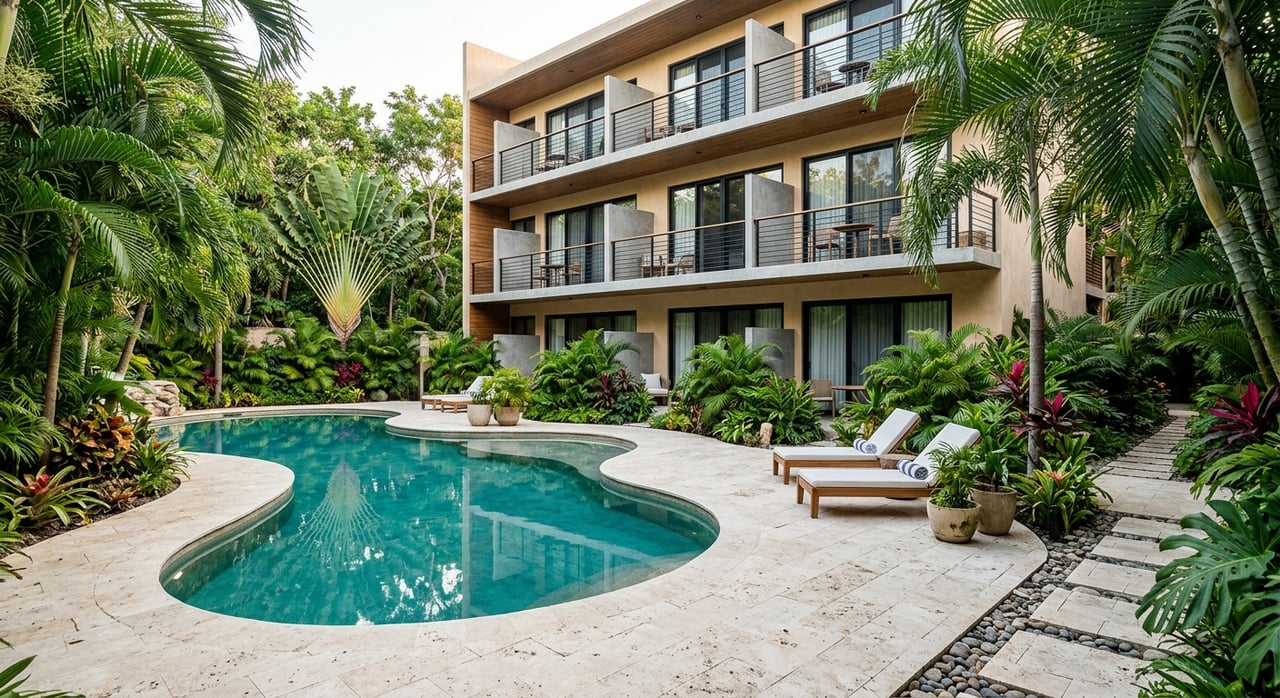
South Kīhei generally feels more built out and more attached-home or condo oriented near the coast, while North Kīhei reflects more room for lower-density patterns and future residential growth. That is an inference from county land-use planning, not a formal inventory.
For buyers, the takeaway is straightforward. If you want a more established, amenity-rich environment, South Kīhei often feels more complete today. If you want a more residential setting with visible room to evolve, North Kīhei may feel like the better match.
When clients compare North and South Kīhei for full-time living, the decision usually becomes clearer when they focus on routine rather than vacation appeal. Ask yourself where you expect to spend your average Tuesday, not just your ideal Saturday.
You may prefer North Kīhei if your priorities are practical access, a quieter setting, and a neighborhood feel that is still developing over time. You may prefer South Kīhei if your priorities are beach proximity, established services, and a more concentrated daily lifestyle.
Neither side is universally better. The better fit is the one that supports how you actually plan to live on Maui.
If you are weighing North Kīhei against South Kīhei and want guidance grounded in day-to-day livability, local market knowledge, and a clear strategy for your move, connect with MacArthur Team Maui. Their team can help you narrow your options and find the part of South Maui that fits your full-time lifestyle best.
Connect with a trusted Maui real estate team ready to guide you confidently, whether buying, selling, or exploring island opportunities tailored to your lifestyle.