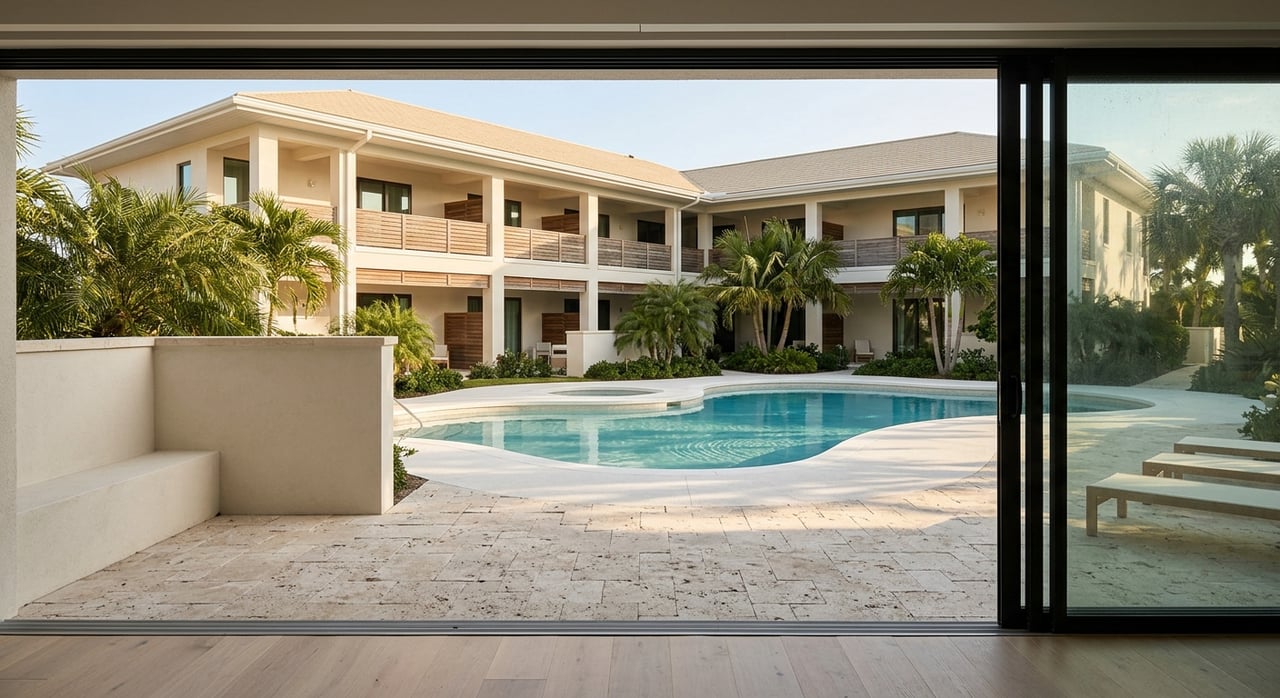
What Kaanapali Beach Walk Lifestyle Feels Like
May 14, 2026
May 14, 2026
If you picture West Maui living as a quick elevator ride to the sand, a sunset stroll with dinner options along the way, and a shoreline that feels active from morning to evening, Kāʻanapali Beach Walk deserves a closer look. For many buyers, this area is less about a quiet residential strip and more about a full resort lifestyle built around the beach. If you are wondering what daily life really feels like here, this guide will help you understand the setting, rhythm, and ownership realities before you start your search. Let’s dive in.
Kāʻanapali is best thought of as a three-mile resort shoreline on Maui’s west coast, about four miles north of Lahaina. The area opens to ocean views toward Lānaʻi and Molokaʻi, with the West Maui Mountains framing the resort corridor behind it.
That physical setting shapes everything about the experience. Instead of feeling like a single hotel zone, Kāʻanapali reads as a planned beachfront district with resorts, condominium properties, dining, shopping, golf, and ocean activities all connected along one stretch.
The Beach Walk sits at the center of that lifestyle. It runs through landscaped resort grounds and gives you an easy path for morning walks, sunset viewing, and casual stops for food or drinks along the way.
Life along the Kāʻanapali Beach Walk is walkable, social, and strongly tied to the resort core. You can move between the beach, dining spots, shopping, and common amenities without every outing turning into a car trip.
Whalers Village anchors the middle of the corridor and stands out as the island’s only beachfront shopping complex. That makes it a practical and social hub, not just a retail stop.
The complimentary Kāʻanapali Trolley adds another layer of convenience. It offers free rides within the resort area, with pickups listed about every 30 minutes from 10:00 a.m. to 9:30 p.m. daily.
Its stops include places such as Whalers Village, the Westin, Maui Marriott, Hyatt, Royal Lahaina, the El Dorado area, Fairway Shops, Sheraton, and Kāʻanapali Beach Hotel. For buyers imagining day-to-day ease, that means the area can feel relatively car-light inside the resort corridor.
Dining is not an occasional perk here. It is woven into daily life, especially if you enjoy ending the day with a beach walk and an ocean view.
The resort area includes a wide range of dining options at Whalers Village and beyond, including Hula Grill, Leilani’s On the Beach, Monkeypod Kitchen by Merriman, Roy’s Kaanapali, Castaway Cafe, Maui Brewing Company, Japengo, Umalu, and Swan Court Breakfast. You also have more casual options like coffee, gelato, and quick bites within the corridor.
That concentration of choices is part of what makes Kāʻanapali appealing to second-home buyers and condo owners. The lifestyle is designed around convenience, variety, and easy access to the shoreline.
One of the most important things to understand about Kāʻanapali Beach Walk is that this is a resort-led environment. That can be a major advantage if you want an amenity-rich home base, but it is different from a low-density residential neighborhood.
The corridor includes resort hotels, condo properties, beachfront retail, golf access, and shared amenities packed into one destination. As a result, ownership here often feels more like living inside a well-served resort district than living on a quiet private lane.
For many buyers, that is exactly the draw. You are close to the beach, dining, activity desks, pools, and managed common spaces, all in one place.
Properties in this area help define the ownership style. Kaanapali Alii describes beachfront one- and two-bedroom residences with gourmet kitchens, housekeeping, concierge support, pool and beach staff, and beach equipment assistance, all steps from Whalers Village, golf, and snorkeling.
The Whaler also presents itself as a luxury high-rise condominium complex directly on Kāʻanapali Beach next to Whalers Village. These examples show why the area often attracts buyers looking for a turnkey base with strong resort access and support.
If you are shopping in this part of West Maui, it helps to think in terms of service level, building management, and amenity access. Those factors can shape your day-to-day experience as much as square footage or view line.
The ocean is the main amenity along the Beach Walk. Daily life here often starts or ends at the shoreline, whether that means a walk on the sand, a swim in calm conditions, or watching the light change over the water.
Kāʻanapali’s beach culture is active and visual. The shoreline supports beach walks, swimming when conditions are calm, winter humpback whale viewing, and occasional sightings of turtles and monk seals.
You will also find activities such as parasailing, sunset cruises, surfing, boogie boarding, kayaking, and canoeing tied to the area. For many owners, that constant connection to the water is the biggest reason to buy here.
Black Rock is one of the most recognized features in Kāʻanapali. It is known as a popular spot for jumping, swimming, and snorkeling, and it helps give the central beach area its energetic feel.
If you picture the broader shoreline as a mix of moods, the area around Black Rock tends to be more iconic and activity-focused. Other parts of the three-mile stretch can feel better suited to slower beach time and longer walks when conditions are calm.
This creates a nice balance. You can enjoy lively ocean activity in one part of the corridor and a more relaxed shoreline rhythm in another.
Some locations market sunsets as a bonus. In Kāʻanapali, sunsets are part of the daily pattern.
The area is described as one of Maui’s standout sunset locations, and several oceanfront dining spots are positioned for direct views toward Lānaʻi and Molokaʻi. That gives late afternoon and early evening a naturally social feel.
A common rhythm here is simple: beach walk, dinner, then sunset. If you value that kind of easy coastal routine, the Beach Walk delivers it in a very direct way.
The beauty of Kāʻanapali comes with real shoreline management considerations. This is one of the most important practical topics for buyers evaluating a condo or resort property along the beach.
According to Hawaiʻi DLNR, chronic and episodic erosion has contributed to beach narrowing, shoreline recession, reduced beach access in some periods, and impacts to backshore infrastructure, including the Kāʻanapali Beachwalk. Maui County also notes that West Maui’s shoreline includes sandy areas interrupted by rocky headlands and engineered structures.
That does not mean the beach is off-limits. It does mean your shoreline experience can change over time depending on swell, season, restoration activity, and building location.
DLNR states that pedestrians can reach Kāʻanapali Beach through Hanakaʻōʻō Beach Park, six public right-of-ways, the Beach Walk, and the sand itself. That is helpful context if you are wondering whether the corridor is accessible beyond the resorts.
At the same time, DLNR also notes that access may be limited near active restoration equipment during nourishment or construction periods. In other words, access exists, but the exact experience may vary from one season or project period to the next.
For buyers, this is a good reminder to evaluate both the unit and the shoreline context around it. Building-by-building and season-by-season differences matter here.
Maui County describes West Maui as a gently arcing shoreline affected by seasonal swell and shifting sediment movement. NOAA also reminds beachgoers that rip currents can occur at any surf beach and can be especially dangerous near rocks or structures.
That is important in Kāʻanapali because daily beach conditions can change with wind, swell, tide, and season. A calm swimming day and a rougher ocean day can create very different experiences in the same location.
If ocean access is central to your purchase decision, it makes sense to pay attention to the specific stretch of shoreline near the property you are considering. That practical local view is often more useful than a general impression of the area.
This area tends to appeal most to buyers who want convenience, resort amenities, and a turnkey coastal lifestyle. If you want to step outside and be near the beach, dining, shopping, golf, and activity options right away, Kāʻanapali checks a lot of boxes.
It can be especially attractive if you are looking for a second home or a condominium with strong amenity support. The mix of managed buildings, central services, and walkable attractions makes the area easy to enjoy without needing to build your day around driving.
The tradeoff is that you should expect a more active visitor environment and more common-area management than you would in a traditional residential setting. For the right buyer, that is not a drawback. It is the whole point.
Buying along the Kāʻanapali Beach Walk is rarely just about finding an ocean view. You are also evaluating building style, resort access, management structure, shoreline conditions, and how the location fits your personal goals.
That is where experienced local guidance becomes valuable. Whether you are buying from off-island, comparing condo options, or trying to understand how lifestyle and ownership factors intersect, having a team that knows Maui’s resort markets can help you make a more confident decision.
If you are exploring condos or resort properties in Kāʻanapali, MacArthur Team Maui can help you navigate the market with local insight and concierge-level support.

A Quick Read
Connect with a trusted Maui real estate team ready to guide you confidently, whether buying, selling, or exploring island opportunities tailored to your lifestyle.