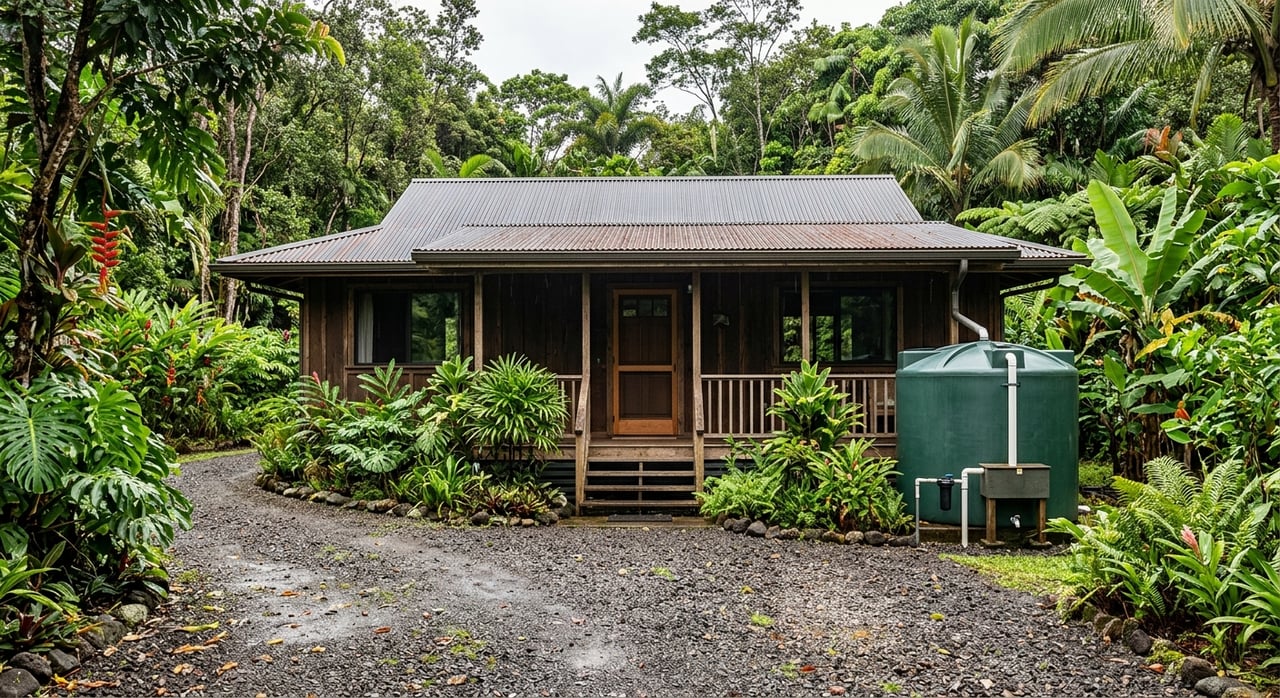
Buying in Haiku Maui: A Guide to Rural Homes & Acreage
April 2, 2026
April 2, 2026
If you picture Maui living as neat suburban blocks, Haiku may surprise you. In 96708, buying property often means thinking beyond the house itself and paying close attention to acreage, water, access, zoning, and site conditions. If you are considering a move to this part of North Shore Maui, this guide will help you understand what makes Haiku different and what to evaluate before you buy. Let’s dive in.
Haiku sits within the Paia-Haiku Community Plan area, where county planning is focused on preserving a rural and village-scale character. According to the Paia-Haiku Community Plan, future residential growth is directed more heavily toward Paia Town and the former Upper Paia settlement, while Haiku is intended to expand mainly as rural residential development near existing villages and settlements.
That planning framework helps explain why Haiku feels less dense and less commercial than nearby Paia. If you are shopping in both areas, it is helpful to think of Paia as the region’s primary urban center and Haiku as a more intentionally rural-residential market.
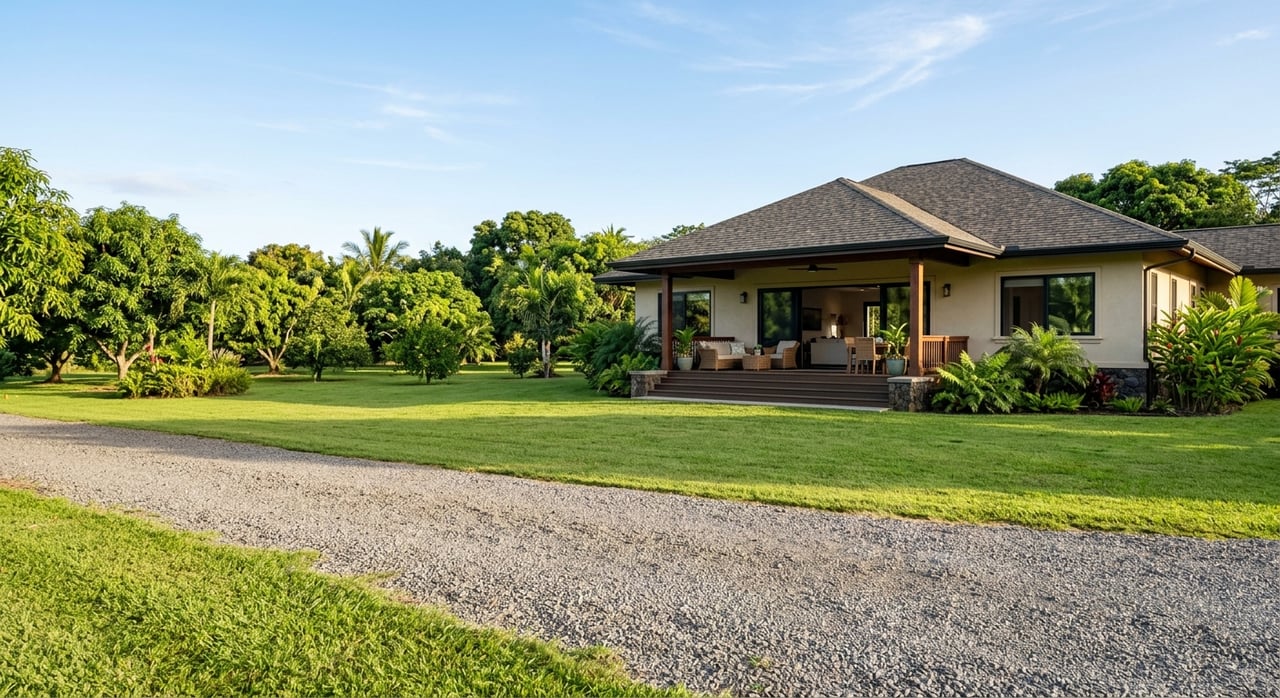
In Haiku, acreage can mean very different things from one property to the next. You may see smaller rural-residential parcels, larger land holdings, or agricultural parcels that look residential in marketing photos but operate under a different set of rules.
County agricultural planning materials note that subdivision potential in the Agricultural District can range from 2 to 40 acres depending on parcel size, and Haiku is one of the Maui areas with the greatest potential for smaller parcel sizes. Maui County also states that the code sets a 2-acre minimum lot size for agricultural lots in the agriculture district.
That matters because two properties with similar views or similar home sizes may have very different long-term use options. In Haiku, parcel history, zoning, and legal lot status often matter just as much as the home itself.
County planning guidance says residences in the agricultural district are intended to function as farm dwellings supportive of agricultural operations. As noted in the county’s planning report on agricultural land tools, that is an important reminder that an ag-zoned property is not the same as a standard suburban lot.
If you are considering acreage, you will want to verify how the parcel is zoned, whether it is a legal lot of record, and how the existing dwelling fits within current rules. This is one of the biggest reasons rural property purchases require a more detailed review than a typical neighborhood home.
Haiku ownership comes with a distinct set of environmental conditions. On the windward uplands, Haiku soils span from sea level to about 1,200 feet, with average annual rainfall of 50 to 80 inches and an average temperature around 72°F, according to the University of Hawai‘i CTAHR soil resource.
For you as a buyer, this means lush landscapes and strong year-round growing conditions, but it also means more moisture management. Compared with drier parts of Maui, you may need to pay closer attention to drainage, vegetation growth, rust, mold, and routine exterior maintenance.
Maui County planting guidance notes that lower windward areas are wetter or more affected by salt spray, while higher elevations above 1,000 feet are cooler and drier. Even within Haiku, that can create meaningful differences in comfort, landscaping needs, and day-to-day upkeep.
A property just a little higher in elevation may feel different in temperature and moisture than one closer to sea level. That is why it helps to evaluate the exact site, not just the mailing address.
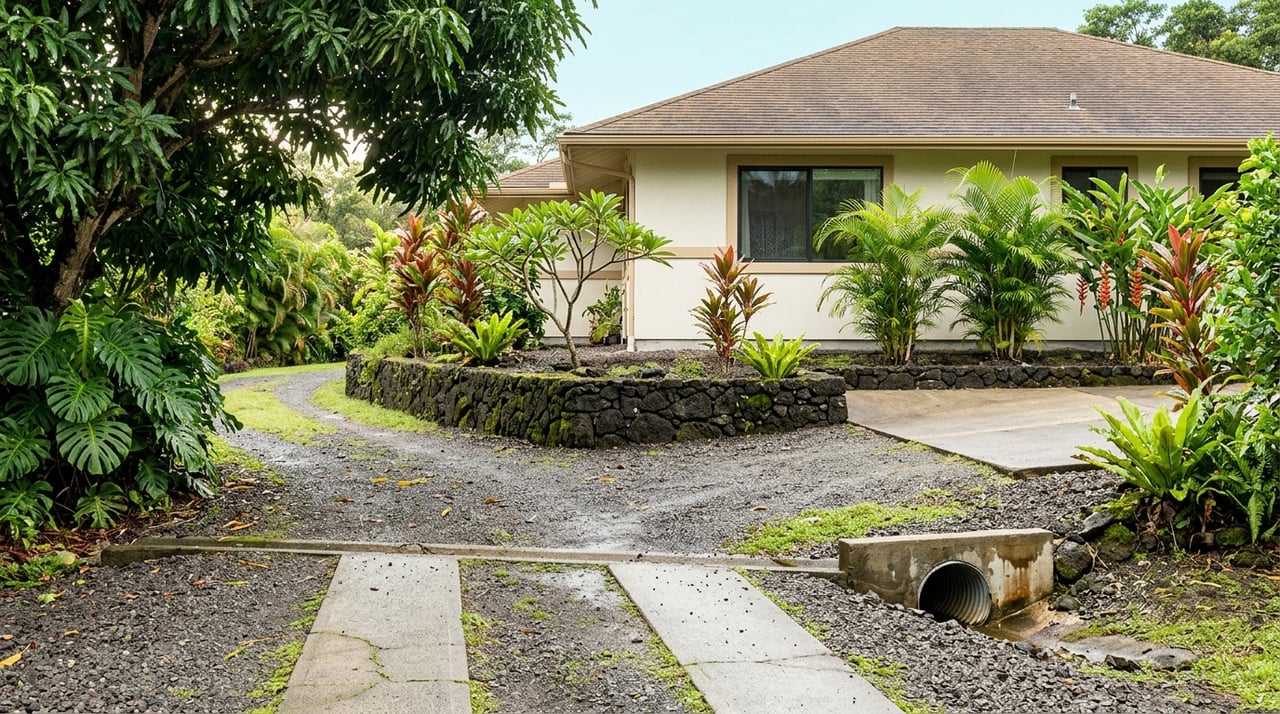
On a wet rural parcel, drainage is not a small detail. Maui County’s Stormwater Management Program notes that precipitation runoff can affect streams and the ocean, which makes grading, driveway design, and roof drainage important parts of responsible property ownership.
If you are buying in Haiku, take a close look at how water moves through the site. A long driveway, sloped land, roof runoff, and landscaped areas can all affect maintenance costs and future improvements.
Haiku is part of Maui County’s Upcountry water system. The county explains that new water-service requests must be within service limits, adjacent to a distribution main with adequate pressure, and on the Upcountry priority list, with Kamole Weir serving Haiku and acting as the primary source of water for nearly all of Upcountry during drought, as described by the county’s Engineering Division.
This matters because water availability is not always as simple as turning on a tap. The same county page also notes that Upcountry shortage notices included Haiku in 2025, and that the Upcountry Stage 1 shortage ended on March 16, 2026 after kona-storm rainfall improved reservoir levels.
Rainwater catchment is a real part of rural Maui living. The Hawai‘i Department of Health says individual-home catchment systems are not regulated by DOH, but they should be well designed, regularly maintained, and periodically tested.
DOH also recommends filtration and lab testing for bacteria, turbidity, lead, and copper. If a Haiku property relies on catchment, you will want to understand the system design, storage, filtration, maintenance history, and testing practices before closing.
Wastewater service in Haiku should always be confirmed early. Depending on the parcel, a property may have sewer, septic, or cesspool service, and each one carries a different level of due diligence.
The Hawai‘i Department of Health states that cesspools are substandard, that Act 125 requires replacement by 2050, and that Upcountry Maui is identified as the highest-priority area for action. For buyers, that makes wastewater one of the most important practical questions to ask.
Before you move forward on a property, it is smart to confirm:
On rural acreage, these details can affect both short-term costs and long-term ownership strategy.
One of the biggest lifestyle shifts in Haiku is access. The rural planning framework for the area means curbs, gutters, sidewalks, and street lighting are generally not required, and pavement widths are often capped at 20 feet under the Paia-Haiku Community Plan.
That rural feel is part of Haiku’s appeal, but it also means access should be reviewed carefully. Maui County’s subdivision process also deals with private easements, roadway dedication requests, and separate lot determinations, so access can be a legal issue as much as a physical one.
When you are evaluating a property, check whether it has:
These items can affect financing, future improvements, and day-to-day convenience. They are especially important on flag lots or deeper acreage parcels.
Buyers often compare Haiku with Paia and Upcountry because the areas are close, but the ownership experience can be quite different.
Paia is classified by the county as a country town business district and the region’s primary urban center, with more town-oriented design features and commercial-use areas, as outlined on Maui County’s Historic Country Town page. Haiku, by contrast, is more intentionally rural-residential in both planning and feel.
Upcountry differs in climate and infrastructure. Maui County guidance says cooler, drier higher-elevation areas generally receive 20 to 40 inches of rain per year, while Haiku’s upland soils are documented at 50 to 80 inches. County zone guidance and water-treatment references also show that Haiku and Paia operate with different systems and environmental conditions, which can shape everything from maintenance expectations to water planning.
If you are serious about buying in Haiku, focus on the property as a whole system, not just the floor plan or views. A strong review process should include:
This kind of due diligence can help you avoid surprises and buy with more confidence.
Haiku can be a wonderful fit if you want space, privacy, greenery, and a more rural Maui lifestyle. It can also be more complex than buying in a master-planned neighborhood or a more urban part of the island.
That is where experienced local guidance makes a difference. When you are comparing acreage, checking infrastructure, and sorting through property-specific questions, working with a team that understands Maui’s rural ownership patterns can save you time and help you make a more informed decision.
If you are exploring Haiku acreage or rural homes in 96708, the MacArthur Team Maui can help you navigate the details with clear communication, local insight, and concierge-level support from search to closing.
Connect with a trusted Maui real estate team ready to guide you confidently, whether buying, selling, or exploring island opportunities tailored to your lifestyle.