Kula Homes And Acreage: An Upcountry Buyer Guide
April 9, 2026
April 9, 2026
If you are drawn to cooler air, wider-open land, and a more rural Maui setting, Kula likely already has your attention. But buying in Upcountry is not just about finding a home with a view. You also need to understand parcel types, water service, commute patterns, and how one part of Kula can feel very different from the next. This guide will help you make sense of Kula homes and acreage so you can search with more confidence. Let’s dive in.
Kula sits on the western slopes of Haleakalā within the larger Makawao-Pukalani-Kula region, an area the County of Maui describes as spanning elevations from about 600 to 10,000 feet with many microclimates. According to the 2025 County of Maui Hazard Mitigation Plan, this is Maui County’s largest planning region by land area.
That big elevation range helps explain why Kula can feel cooler and drier than other parts of Maui. The County’s Makawao-Pukalani-Kula Community Plan describes Kula as predominantly rural and agricultural, with residents placing strong value on open space and rural character.
If you are comparing Upcountry to more densely built areas, Kula’s lower-density feel stands out. The U.S. Census QuickFacts for Kula CDP reports 6,942 residents across 34.54 square miles in the 2020 Census, or about 201 people per square mile.
One of the biggest mistakes buyers make is assuming all Kula land is similar. In reality, “Kula homes and acreage” can describe several very different property types, from rural residential lots to working agricultural parcels.
The Community Plan shows just how wide that range can be. In some areas near Crater Road, the plan calls for one-acre rural lots with one house per lot. In another example, it identifies a 45-acre rural subdivision with one-half-acre lots. On the larger end, the County’s Kula Agricultural Park includes 31 farm lots ranging from 10 to 30 acres.
That means your search should start with a simple question: What kind of land use fits your goals? If you want elbow room and a home site, your target may look very different from a buyer who wants larger acreage tied to agricultural use.
You may come across properties such as:
The Community Plan notes that Kula became desirable for residential use because of its cool climate, rural setting, and views. It also points out that residential growth has sometimes conflicted with agriculture, which is one reason land-use details matter so much during your search.
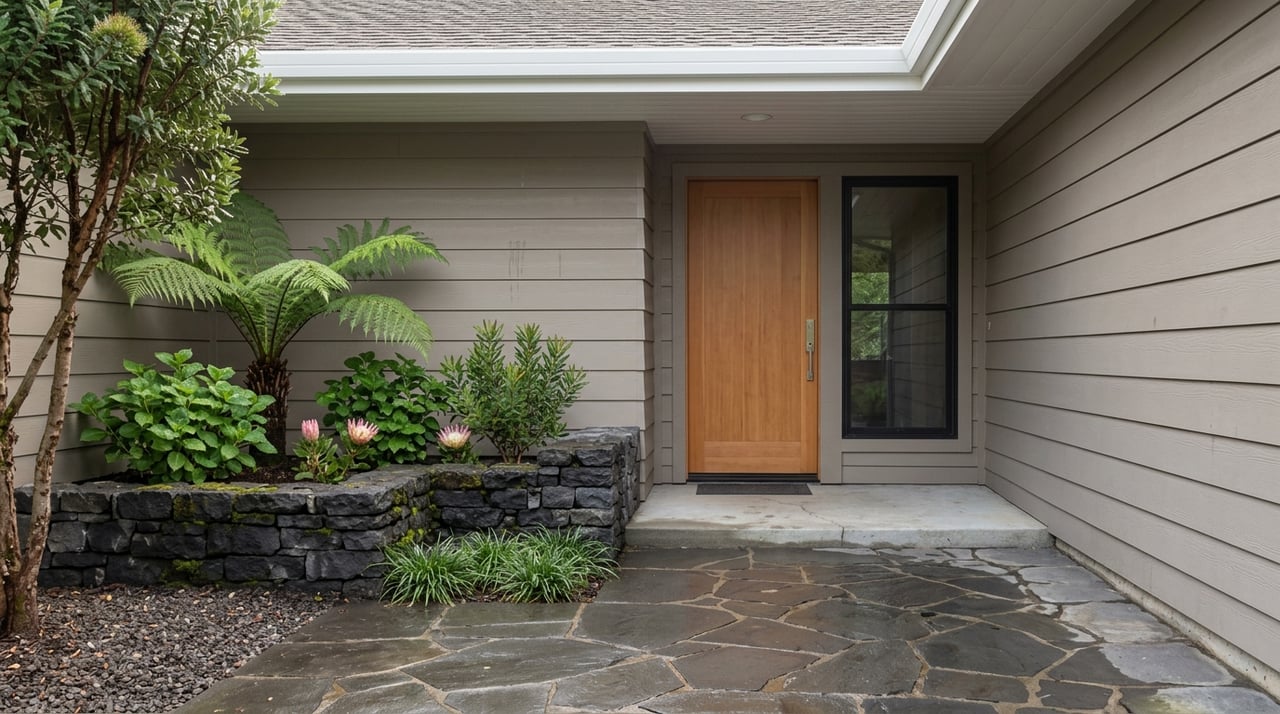
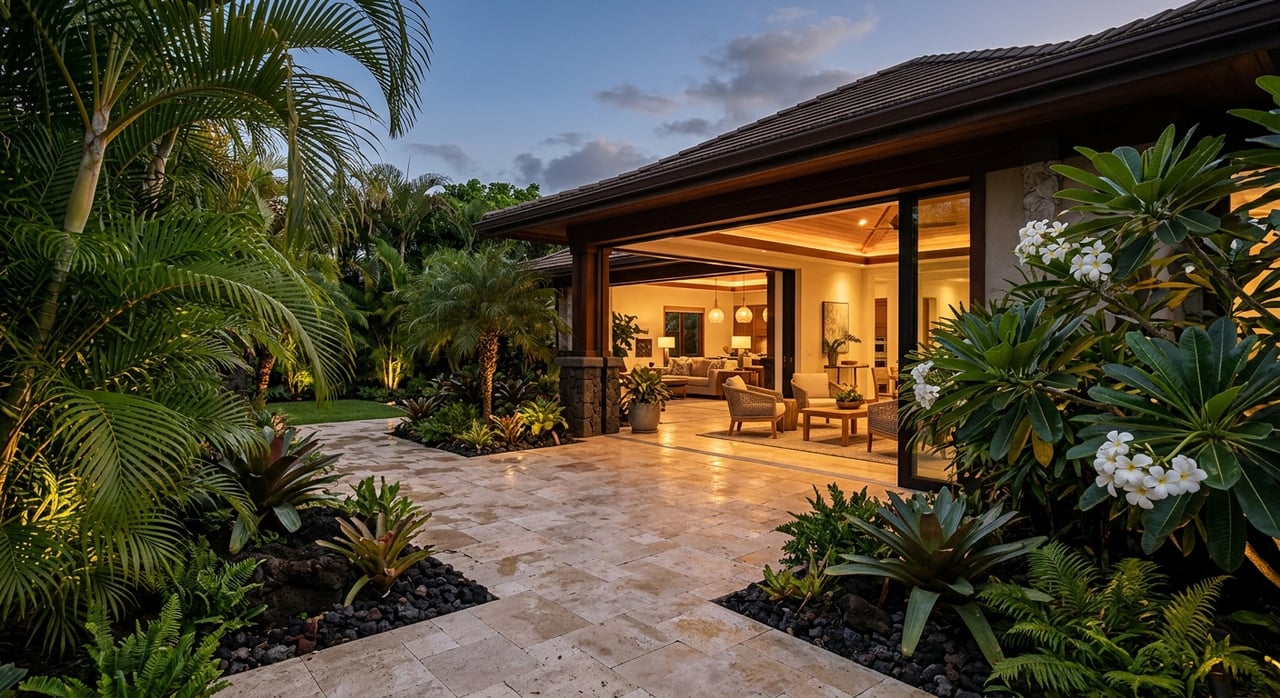
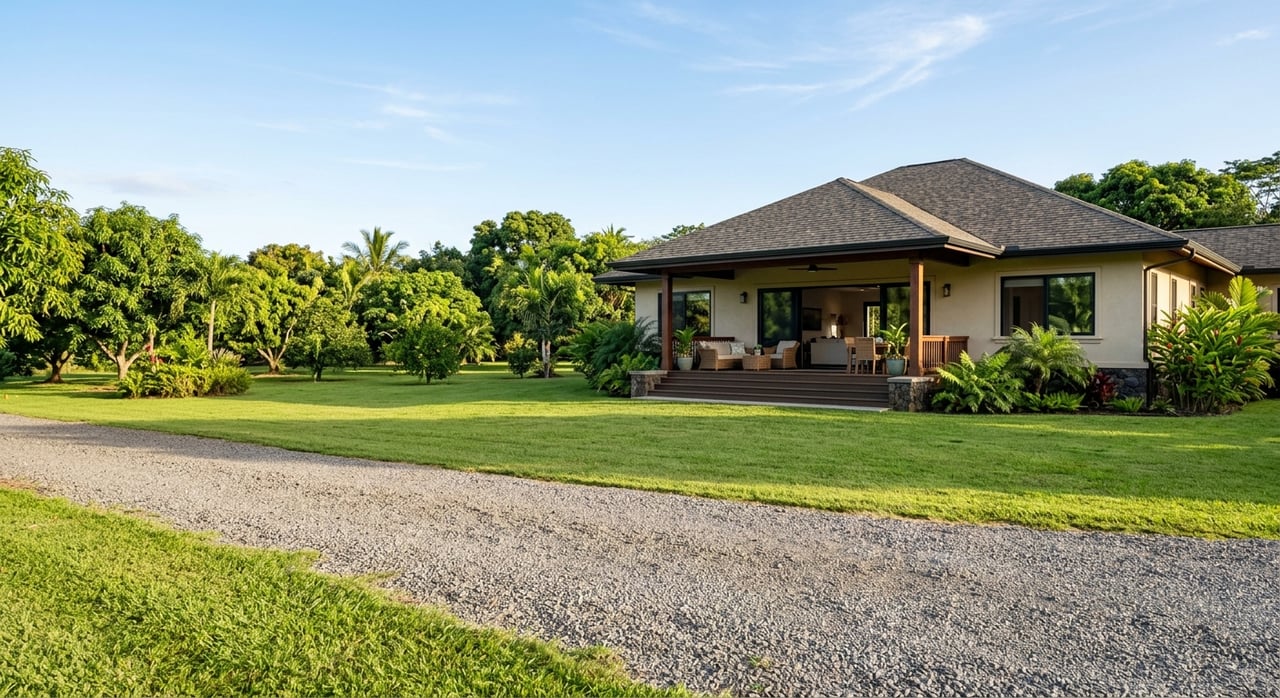
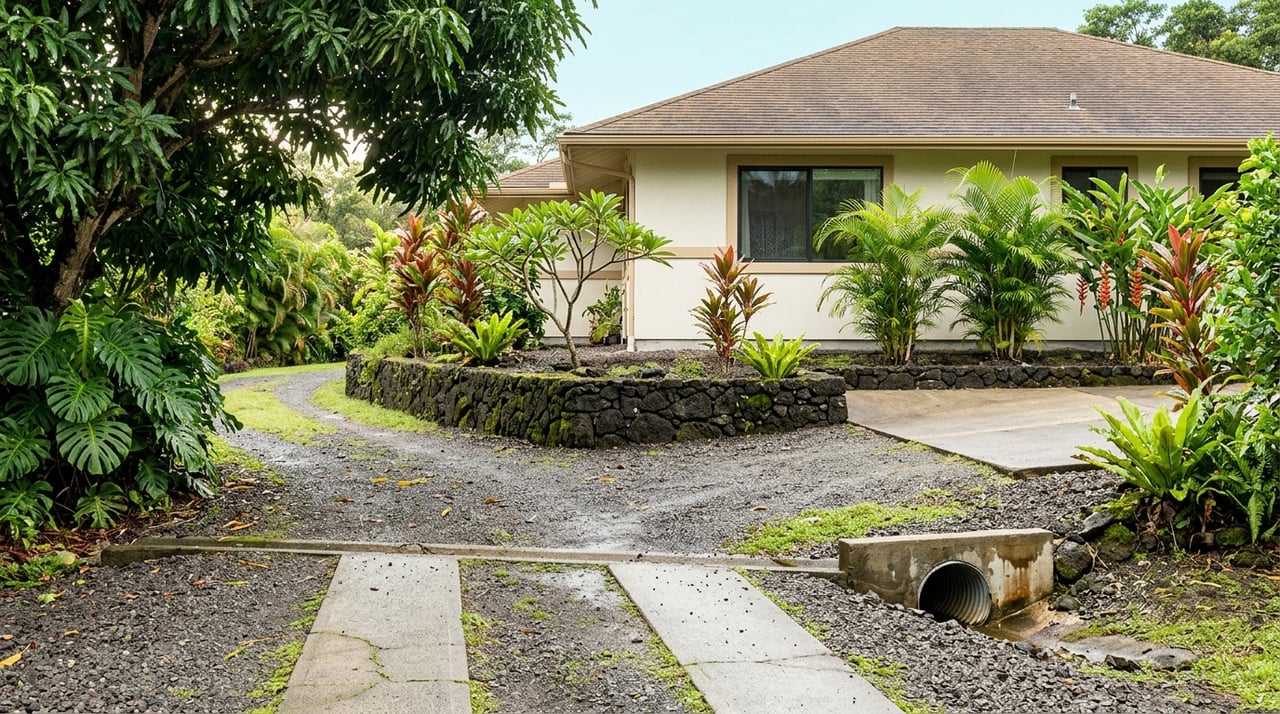
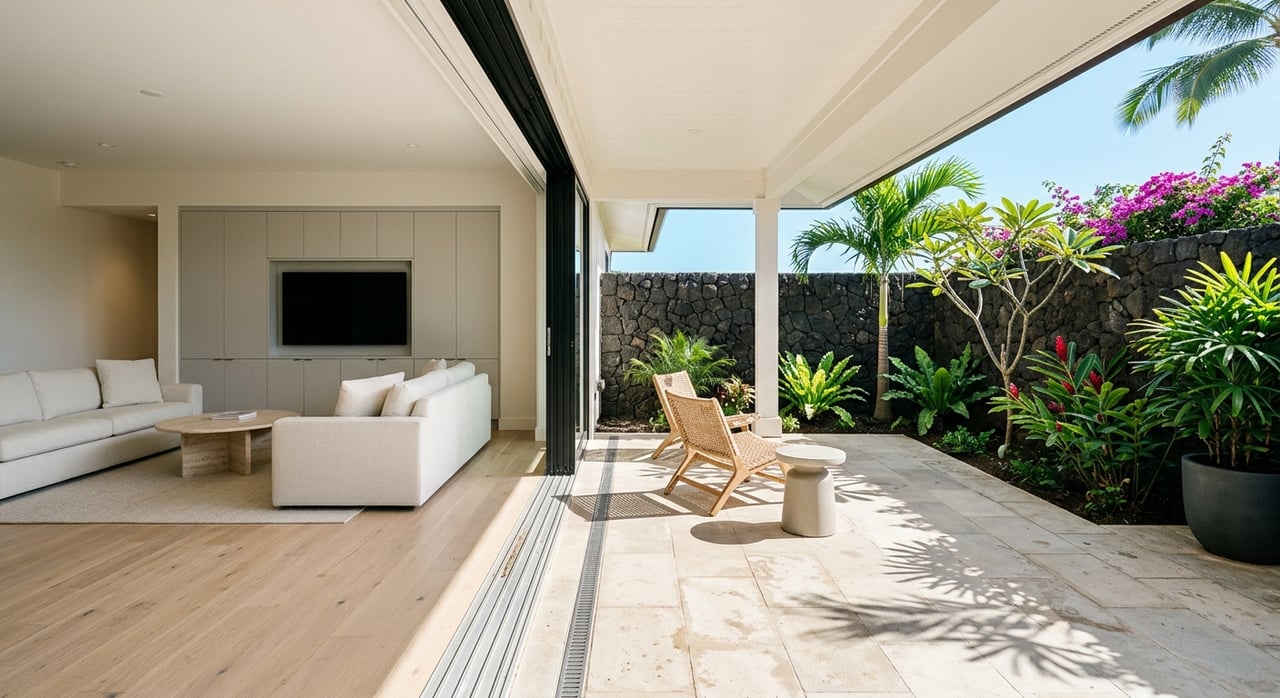
Kula does not have one single home style. The area includes older plantation-era buildings, rural homes, agricultural properties, and custom homes designed to capture open-space views and Upcountry conditions.
County planning guidance offers useful context for the local built environment. The Community Plan references one- and two-story structures, limits of 35 feet in certain multi-family design guidance, natural materials such as wood, earth-tone colors, private open space, and generous landscaping. County historic-survey material also indicates that many eligible Kula buildings are Plantation style.
For buyers, the practical takeaway is simple. You should expect variety, and you should evaluate each property on its own land, layout, elevation, and intended use.
In Kula, water is not a minor detail. It is one of the most important parts of your due diligence.
Kula is part of the County’s Upcountry Water System, which also serves Makawao, Pukalani, Haliimaile, the Maunaolu College area, and Haiku. The County’s Engineering Division states that new water-service requests are reviewed according to the Upcountry Priority List, and it also notes that the County is not accepting new applications to be placed on that list.
Water service also varies by elevation. County information on water treatment facilities shows that Piiholo serves Lower Kula, while Olinda serves Upper Kula, Ulupalakua, and Kanaio. Kamole is identified as the primary source for nearly all of Upcountry during drought.
This matters because two properties in the same general area may have very different water considerations. Before you move forward, you will want to verify the property’s water source, meter status, and any current county advisories that may affect service expectations.
Maui County’s Water Use Conservation Ordinance 5929 took effect March 1, 2026. It prohibits watering lawns and landscaped areas with potable water between 9 a.m. and 5 p.m., sets address-based watering days, and requires water-efficient irrigation and landscape design in new development. The ordinance also allows fines of up to $1,000 per violation per day.
The ordinance includes exemptions for agricultural customers and non-potable water sources, but buyers should not assume those apply to every parcel. If you are looking at acreage, especially land with landscaping, farming, or future improvement plans, it is smart to review how water use rules align with the property.
A beautiful home does not always equal the right fit. In Kula, the land often drives the decision as much as the structure.
As you compare listings, pay close attention to:
The Community Plan makes clear that Kula’s landscape and settlement patterns are shaped by rural and agricultural use. For buyers, that means the smartest decisions come from looking at the whole property, not just the square footage of the home.
For many buyers, Upcountry living is a lifestyle choice, but daily logistics still matter. Census data shows a mean travel time to work of 29.5 minutes for Kula residents.
Road access is a major part of the equation. The County identifies Kula Highway and Haleakalā Highway among its state highways, and the Maui Bus public transit system includes a Kula Islander route connecting Pukalani, Kula, and Kahului, plus an Upcountry Islander route connecting Kahului, Pukalani, Makawao, and Haliimaile. Select routes also serve the airport.
If you are relocating or splitting time between Maui and the mainland, commute planning should include more than just drive time. You may also want to think about airport access, errands, contractor visits, and how often you plan to move between Upcountry and other parts of the island.
If school access is part of your home search, address-specific confirmation is important. The Hawaiʻi State Department of Education lists Kula Elementary as a K-5 public school at 5000 Kula Highway, and King Kekaulike High in Pukalani serves grades 9-12 within the same complex area.
HIDOE also states that its SchoolSite Locator should be used to confirm assignment by address and that the tool is for reference only. In other words, if school assignment matters for your move, it should be verified early in your due diligence.
Kula tends to appeal to buyers who want space, a rural setting, and a different pace from Maui’s resort areas and denser neighborhoods. It can also appeal to buyers who value land options, whether that means a one-acre homesite, a small rural subdivision lot, or larger acreage with agricultural context.
It may be a strong fit if you want:
The tradeoff is that Kula requires a more careful review of property details. Parcel size, zoning context, water service, and location within Upcountry all play a bigger role here than many first-time buyers expect.
The best Kula purchase decisions usually come from narrowing your priorities early. Start with the lifestyle you want, then match that to the parcel type, location, and utility realities that support it.
A clear process often looks like this:
If you are exploring Upcountry from off-island or trying to compare very different parcel types, having local guidance can save time and help you avoid mismatches. The team at MacArthur Team Maui brings local market knowledge and concierge-style support to help you evaluate Kula properties with clarity, whether you are searching for a home site, acreage, or a move-in-ready Upcountry residence.
Connect with a trusted Maui real estate team ready to guide you confidently, whether buying, selling, or exploring island opportunities tailored to your lifestyle.