Selling A Home With Acreage In Kula
July 2, 2026
July 2, 2026
Wondering how to sell acreage in Kula without leaving money on the table? You are not alone. Selling an Upcountry property is different from selling a typical neighborhood home because buyers are evaluating the land, the infrastructure, and the future use just as much as the house itself. In this guide, you will learn what makes Kula acreage unique, what to prepare before listing, and how to position your property so buyers can understand its value. Let’s dive in.
Kula sits on the western slopes of Haleakalā within Maui’s Makawao-Pukalani-Kula planning region. According to Maui County, this region spans a wide elevation range and is known for rural and agricultural uses, open space, and a strong sense of rural character. Unlike shoreline markets on Maui, Kula’s value story is more about land, views, privacy, and lifestyle than beach access.
That difference matters when you sell. Buyers looking in Kula are often drawn to usable acreage, productive land, cooler temperatures, and the way a property fits into the slope and surrounding view plane. They are usually not comparing your property to a resort condo or a beach-area home, so your pricing and marketing need to reflect Kula’s own market logic.
Kula is a premium segment within Maui County, but it is not a market where broad assumptions work well. In May 2026, Kula had 67 homes for sale, a median listing price of $2.5 million, a median sold price of $1.69 million, a median of 100 days on market, and a 96 percent sale-to-list ratio. Realtor.com classified the market as balanced and cool.
That tells you something important. Buyers are still active, but accurate pricing and strong presentation matter. In a market where homes sold for about 3.86 percent below asking on average, overpricing can make your listing sit longer and weaken your negotiating position.
For added context, Maui County’s year-to-date median single-family sales price through April 30, 2026 was $1,297,500, according to Hawai‘i REALTORS. Kula acreage often sits above that level, which means you are marketing to a buyer pool that expects clear information, polished presentation, and confidence in the property details.
With acreage, buyers usually want to know more than bedroom count and square footage. They may ask about cottages, outbuildings, small-scale agriculture, animals, guest space, or long-term use options. Those answers depend on the parcel’s actual zoning and permit history, not just the address.
Maui County’s rural district code is designed to preserve rural character and allow small-scale agricultural uses and animals, with different dwelling densities depending on the specific rural zone. Agricultural district rules also tie use and rezoning to county and state land-use regulations. Because entitlements vary parcel by parcel, it is smart to verify the exact zoning through Maui County’s digital zoning maps before the property goes live.
Acreage buyers tend to look closely at improvements and access. If your property includes a driveway, grading work, farm structures, utility improvements, or other additions, it helps to gather available documentation early. Maui County’s Development Services Administration oversees building, plumbing, electrical, grading, subdivision, and related records, and its public records portal includes permit and plat information.
This prep work can make a real difference during escrow. When buyers can review a cleaner paper trail, it often makes inspections, underwriting, and due diligence easier. It also helps reduce uncertainty around how the property has been developed over time.
Water is a major due-diligence issue in Upcountry. Maui County identifies the Upcountry water system as its largest geographically, serving areas including Kula, Pukalani, Makawao, and Haiku. Recent county notices about an Upper Kula line break and a temporary conservation advisory in March 2026 are a reminder that water service and irrigation questions should be addressed early.
Before listing, gather what you can about your parcel’s water service, irrigation setup, and related infrastructure. Even if your system is straightforward, buyers will likely ask. Having clear answers upfront can strengthen buyer confidence.
Wildfire preparedness is now part of the conversation for many rural Maui properties. Maui County says wildfires are a growing threat in Hawai‘i because dry conditions and invasive grasses can contribute to fast-moving fire behavior. The county also encourages residents to know their evacuation zone, sign up for alerts, and use the Ready, Set, Go framework.
For sellers, this means preparation matters. If your property is in a rural Upcountry setting, buyers may ask about evacuation zones, site conditions, and whether the parcel is in or near an area affected by wildfire concerns. Organizing this information ahead of time helps you respond clearly and calmly.
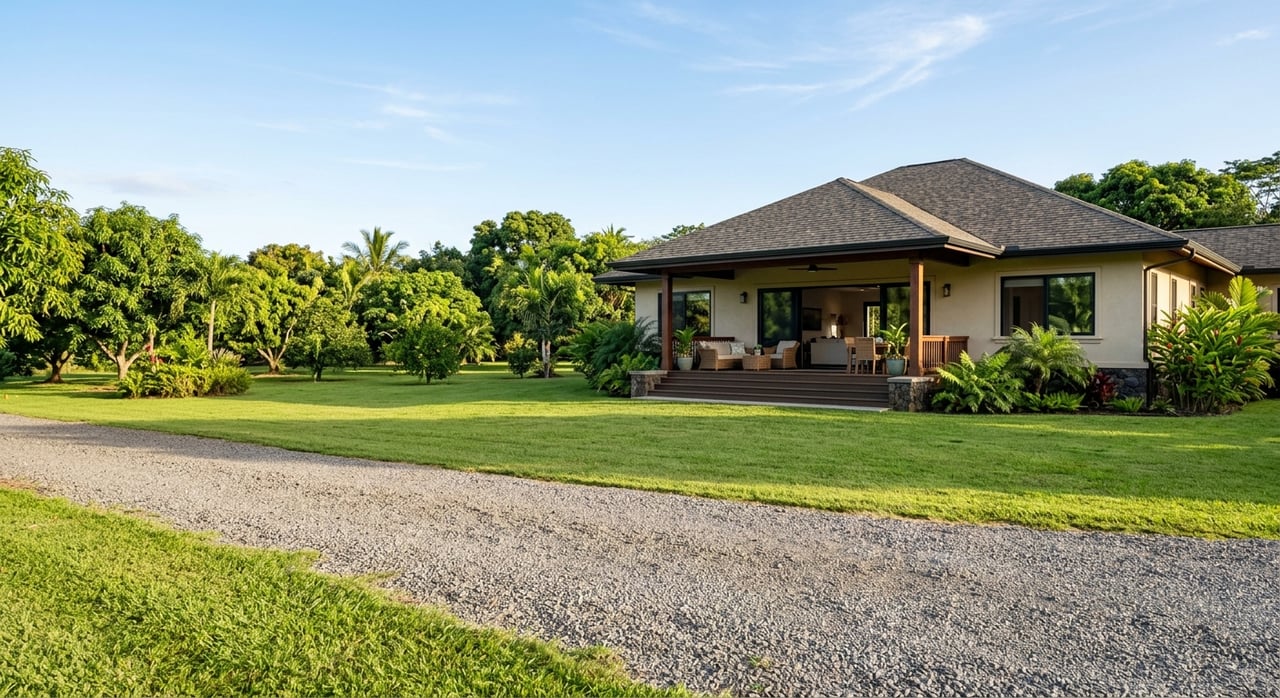
The strongest acreage listings in Kula do more than describe the home. They explain how the land functions and what it feels like to own it. Because Kula is shaped by topography, open space, and agricultural character, buyers need help understanding the full property experience.
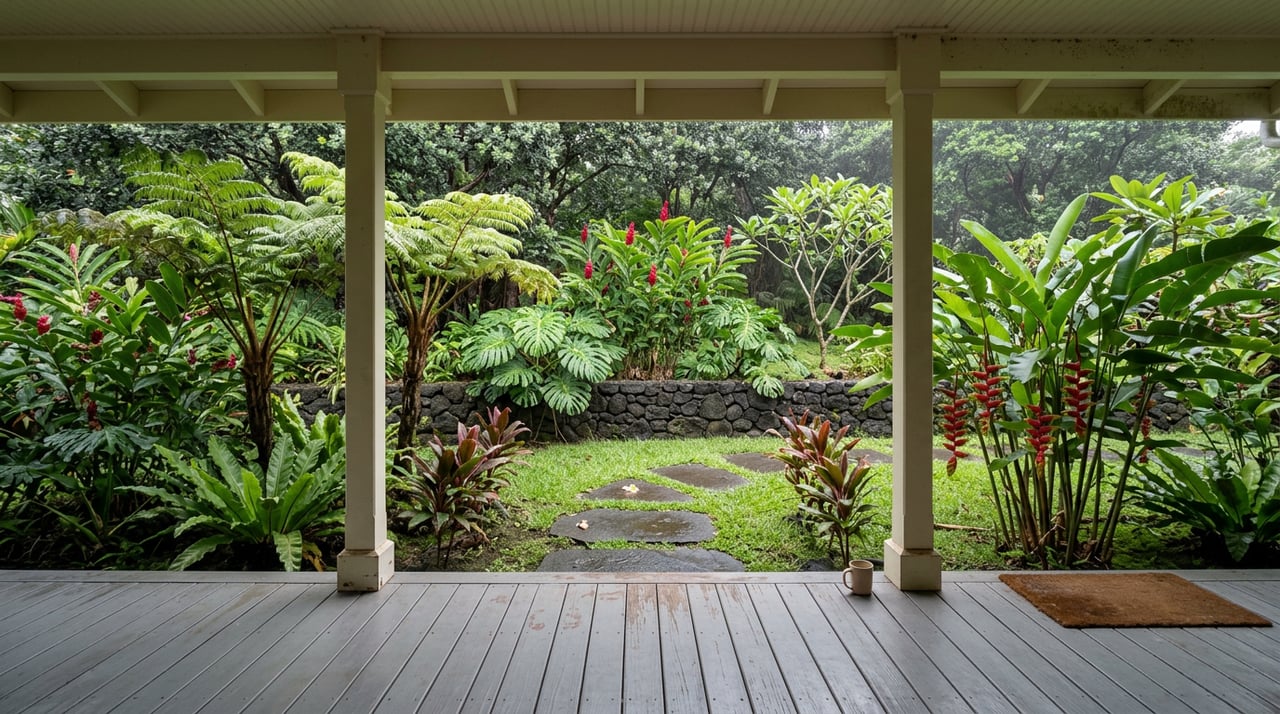
That means showing usable areas, pasture or garden space, tree cover, sunlight, privacy between structures, and how the home sits on the slope. If the land supports a certain lifestyle or practical use, that should be visible and easy to understand in the listing presentation.
Photos and video should answer practical questions, not just create mood. Buyers need to see the driveway approach, road frontage or easement access, parking areas, outbuildings, fencing, water storage if applicable, and the relationship between the home and the lot.
This is especially important for off-island buyers, who may rely heavily on digital media before deciding whether to visit in person. A strong visual package can help them understand the property faster and with fewer assumptions.
Kula has a long association with diversified agriculture, and county land-use rules support rural character and certain small-scale agricultural uses. That can support marketing around orchards, gardens, hobby farming, or ranch-style use, but only when those ideas are grounded in actual zoning and site conditions.
In other words, the best marketing is both appealing and precise. Clear, factual language builds trust and helps attract buyers whose goals truly match the property.
Pricing a home with acreage is rarely a simple price-per-square-foot exercise. You need recent local comparables, but you also need to adjust for the features that matter most in Kula, such as lot usability, access, view orientation, privacy, improvements, and documentation.
A property with better access, stronger permit records, or more usable land may deserve a different pricing strategy than another home with a similar interior size. On the flip side, if buyers see uncertainty around zoning, water, access, or improvements, they may build that risk into their offers.
Kula’s current market pace suggests that pricing discipline matters. With a median of 100 days on market and a balanced-to-cool environment, sellers are usually better served by entering the market with a well-supported number rather than leaving extra room for correction later.
Timing still matters, but readiness matters more. National data from Realtor.com’s 2026 Best Time to Sell report identified April 12 to 18 as the strongest listing window nationally, with more views than a typical week and homes selling faster. Even so, acreage in Kula is not a cookie-cutter product, so local preparation should drive your timeline.
If your zoning details, permits, water information, and property presentation are not ready, waiting can be the better move. A polished launch often creates more confidence than rushing to meet a generic calendar target.
Kula acreage buyers often focus on a small group of practical questions. If you can answer them early, your listing will feel stronger and more credible.
Common questions include:
If your property is in or near an area affected by wildfire concerns, buyers may also ask about disaster-recovery permits or utility re-energizing status. Maui County’s Development Services information specifically references these processes for Lahaina and Kula wildfire burn-zone structures, which is why parcel-level preparation matters.
Selling acreage in Kula is part pricing exercise, part information exercise, and part presentation exercise. Buyers are not just buying a home. They are buying a piece of land with its own physical features, legal framework, and lifestyle potential.
That is why seller preparation can have such a direct impact on your result. When your listing combines strong media, accurate facts, and organized due-diligence material, buyers can understand the opportunity faster and move forward with more confidence.
For many sellers, especially off-island owners or families juggling multiple moving parts, that process also benefits from hands-on coordination. A team that can help manage presentation, property oversight, and the moving pieces before launch can make the entire sale feel more organized from start to finish.
If you are thinking about selling a home with acreage in Kula, the right plan starts with understanding the land, the records, and the buyer questions before your listing hits the market. For tailored guidance, polished marketing, and concierge-style support, connect with MacArthur Team Maui.
Connect with a trusted Maui real estate team ready to guide you confidently, whether buying, selling, or exploring island opportunities tailored to your lifestyle.