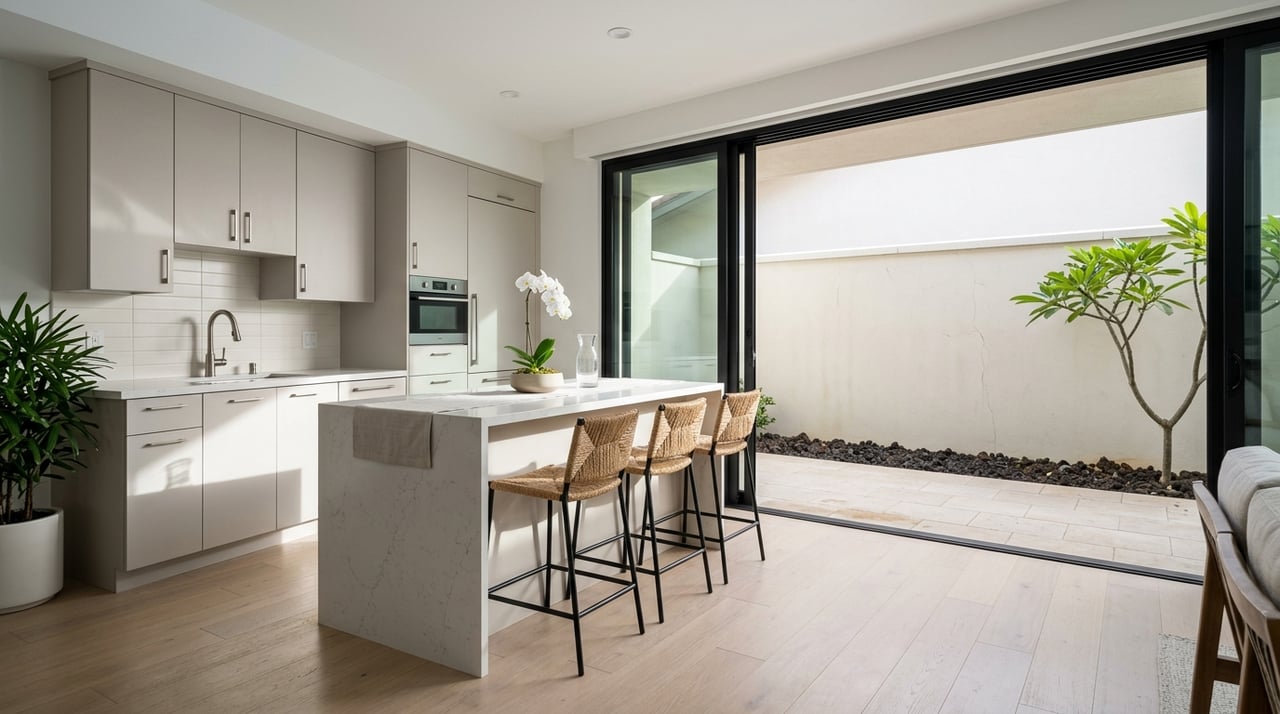
Preparing Your Kihei Vacation Rental Condo For Sale
July 16, 2026
July 16, 2026
Selling a Kihei vacation rental condo is not the same as selling a typical condo. Buyers will want clear answers about use status, taxes, condo documents, bookings, and what comes with the unit. If you prepare those details before you list, you can reduce stress, avoid delays, and present your property with more confidence. Let’s dive in.
Before you think about photos or pricing, make sure you understand how your condo has been used and what supports that use. Maui County defines a transient vacation rental as a rental of a housing unit for less than 180 days, and the county notes that these uses are generally prohibited outside the hotel district unless they are specifically allowed by zoning or a conditional permit.
That matters because buyers often ask one question first: can this short-term rental use continue after closing? Maui County also says its public list of allowed TVR units is informational only and does not confirm zoning or the right to operate, so you should not rely on that list alone as proof.
If your condo has been operating as a vacation rental, gather the actual documents that support the use. That may include county approvals, tax records, permit history, and governing condo documents that help explain how the property has been used.
For Kihei sellers, use status is not just a paperwork issue. In December 2025, Maui County adopted Ordinance 5909, which phases out TVR uses in apartment districts after an amortization period that ends December 31, 2030 for areas outside West Maui.
That does not mean every condo is affected the same way. It does mean buyers may look very closely at zoning, entitlement history, and current tax classification when they evaluate value and future use.
If a condo has been marketed as a TVR, buyers may also expect a clean record of compliance. Getting ahead of those questions can help your listing feel more credible from day one.
If your condo is still being marketed as a TVR while it is for sale, Maui County requires advertisements to include the property’s registration number, which is the TMK without punctuation marks. This is an easy detail to miss, especially if your property has been promoted across several booking or marketing channels.
It is smart to review every active advertisement before your listing goes live. Cleaning that up early helps you avoid confusion and shows buyers that the property has been managed carefully.
If you are still accepting short-term guests during the sale period, keep your state registration and county tax records organized as well. Maui County’s transient accommodations tax is 3 percent, and the county says operators within Maui County must hold state registration and remit the county portion separately.
A well-prepared document package can save a surprising amount of time during escrow. For Hawaii condo resales, HRS 508D-3.5 requires the seller to provide the condo’s organizational documents, bylaws, declaration, and rules that cover common areas, architecture, maintenance, or assessments.
If other recorded or unrecorded restrictions apply, those should be included too. Under the law, the seller does not have to provide those documents until ten calendar days after both buyer and seller have received a current title report, and the buyer then has fifteen calendar days to decide whether to rescind.
Even though the formal timeline comes later, it is wise to collect everything upfront. DCCA also reminds licensees that providing the condominium map, recorded declaration, bylaws, and house rules is mandatory, and failing to provide those documents during the selling process can be a serious violation.
Vacation rental condo buyers usually want more than basic condo paperwork. They often want a clear operating picture so they can understand both ownership costs and past performance.
Start with these records:
If you live off-island, create a shared digital folder before the property hits the market. That simple step can make it much easier to respond quickly when buyers request information.
Most buyers in this niche ask similar questions. If you can answer them clearly and document the answers, your sale is more likely to move smoothly.
Expect questions like these:
This is where preparation really pays off. A buyer who gets fast, organized answers is more likely to feel comfortable moving forward.
Selling an active vacation rental takes coordination. If your condo still has future reservations, decide in writing which bookings will be honored, shifted, or blocked.
That decision affects repairs, deep cleaning, staging, photography, and showing access. Without a clear plan, the condo can feel stuck between operating as a rental and presenting like a for-sale property.
A shared calendar is especially helpful for off-island owners. It gives your local team a way to coordinate cleaners, contractors, guest turnovers, and the final photo-ready window without unnecessary overlap.
Vacation rentals often show wear in ways owner-occupied homes do not. In Kihei condos, buyers tend to notice paint touch-ups, grout lines, bedding condition, screens, appliances, lanai furniture, and other signs of heavy guest use.
That does not mean you need a full remodel. It does mean you should handle the repairs that affect first impressions and listing photos.
Focus on the items that make the condo feel clean, maintained, and easy to enjoy. Small fixes can have a strong effect when buyers are comparing several units online.
Staging helps buyers picture how they would use the space. According to NAR’s 2025 home staging survey, 83 percent of buyers’ agents said staging makes it easier for buyers to visualize the property as a future home.
For a Kihei condo, the best staging story is often not about filling every corner. It is about highlighting natural light, the view, and the indoor-outdoor flow that makes South Maui living so appealing.
Pay special attention to the living area, primary bedroom, dining area, and lanai. Keep the look clean and simple so the condo feels open, calm, and move-in ready.
Most buyers start their search online, so your photos do a lot of the selling before anyone steps inside. NAR has reported that more than 90 percent of buyers search online and 85 percent say photos are the most important factor in deciding which homes to view.
That is especially true for Kihei vacation rental condos, where many buyers are comparing properties remotely. High-resolution photography, video, and immersive marketing assets can help your listing stand out and give buyers confidence from afar.
Before photo day, remove clutter, refresh linens, clean windows, and simplify decor. If virtual staging or materially enhanced photos are used, those changes should be disclosed so buyers are not misled.
Furnishings can be a major value point in a vacation rental condo sale. Some buyers want a turnkey setup, while others want flexibility.
Create an itemized inventory that clearly shows what is included, what is excluded, and what may be negotiable. This helps avoid confusion later, especially if the condo has been actively rented with a full set of housewares, decor, and replacement items.
Be specific rather than general. A detailed inventory can prevent small disagreements from becoming larger transaction issues.
Many Kihei vacation rental condo sellers live off-island, which makes preparation harder to manage alone. The process usually goes more smoothly when you have local help coordinating contractors, cleaners, access, staging details, and final presentation.
That kind of project management is often the difference between a rushed listing and a polished one. It also helps you keep momentum when you are balancing bookings, compliance questions, and buyer due diligence at the same time.
When your condo is prepared both operationally and visually, you give buyers a stronger reason to act. That can support a cleaner launch and a more confident negotiation process.
If you are thinking about selling your Kihei vacation rental condo, MacArthur Team Maui can help you coordinate the details, present the property at a high level, and guide the process with local market insight and concierge-style support.

A Quick Read
Connect with a trusted Maui real estate team ready to guide you confidently, whether buying, selling, or exploring island opportunities tailored to your lifestyle.