Wailea and Makena Neighborhood Guide for Buyers
February 5, 2026
February 5, 2026
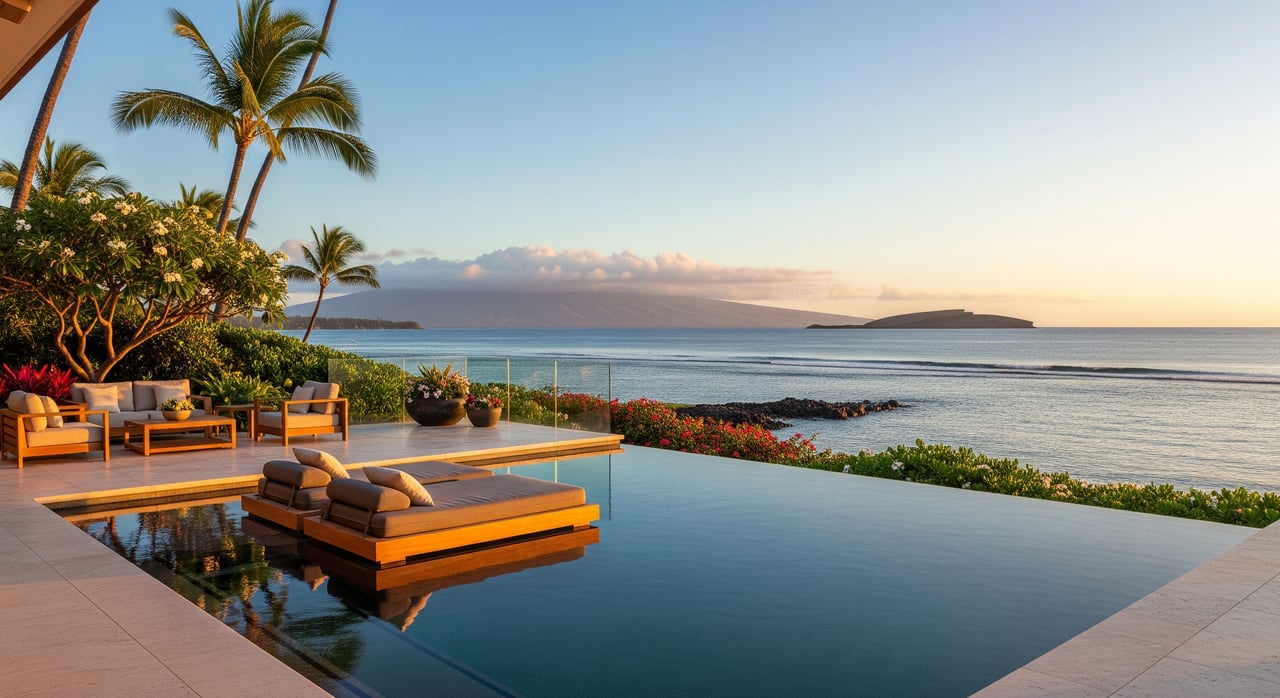
Dreaming of a home where you can stroll a beachfront path in the morning, play a round of golf by noon, and watch the sunset from your lanai? Wailea and Makena might be the South Maui addresses you have in mind. If you are weighing a second home, an STR‑friendly condo, or a private estate, it helps to understand how these neighboring areas differ and what to expect when you buy here. In this guide, you will learn the lay of the land, the lifestyle, and the practical steps that make a smart purchase in ZIP 96753. Let’s dive in.
Wailea and Makena sit on Maui’s sunny south shore within ZIP 96753. Wailea is a master‑planned resort and residential community with luxury hotels, golf, shopping, and a coastal boardwalk. Immediately south, Makena is more low‑density and natural, with large properties and state park beaches. Both attract second‑home owners, investors, and year‑round residents who value resort living and coastal access.
The climate here is warm year‑round with steady trade winds. You will see a drier season from roughly April through September and a wetter season from October through March. Hurricane season runs June through November. Many buyers choose this coast for its reliable sunshine and calm mornings, which are great for beach walks, snorkeling, and paddling.
Wailea blends resort energy with residential ease. You have luxury hotels, a pedestrian‑friendly oceanfront path, and convenient retail and dining. For an overview of the resort’s amenities and layout, start with the community information from the Wailea Resort Association. Popular beaches include Wailea Beach, Ulua Beach, and Polo Beach, with coral reefs that draw snorkelers and divers.
Property options range from hotel‑branded residences and vacation‑rental condos to gated single‑family neighborhoods. Many communities have robust amenities, which can mean higher HOA fees that cover pools, landscaping, security, and common‑area care.
Makena feels more private and natural. South of Wailea, you will find larger lots, estate properties, and iconic coastline. Makena State Park is home to Big Beach and nearby coves that attract ocean lovers. There are fewer commercial centers here, so most residents drive to Wailea or Kihei for shopping and dining.
If you want an oceanfront estate or a secluded second home with quick access to wide sandy beaches, Makena is often the target. Inventory is limited and regulations around shoreline and redevelopment can guide what is possible on a given parcel.
Wailea offers a wide selection of resort condominiums, including hotel‑branded residences associated with nearby resorts. Many buildings allow short‑term rentals, often with on‑site management or preferred property managers. Rules vary by building and HOA, so confirm current policies before you write an offer.
You will find luxury homes in gated subdivisions in Wailea and larger estate parcels in Makena. Vacant land does come to market, though supply is limited and design is governed by zoning and CC&Rs. If you plan a custom build, review setbacks, shoreline rules, and architectural guidelines early.
Expect a higher price point here than most other Maui areas. Beyond purchase price, budget for:
Wailea and Makena are known for their beaches and coastal paths. You can snorkel in reef‑protected coves, paddleboard on calm mornings, and enjoy seasonal whale watching from shore. Shoreline access is protected by state law, though parking and entry points can be limited at peak times. Be mindful of seasonal surf and currents at certain beaches.
Golf is a major draw, with multiple championship courses at the Wailea Golf Club. The Shops at Wailea and nearby plazas offer dining, galleries, and boutiques. Many condo communities also provide pools, fitness rooms, and barbecue areas, while nearby resorts offer restaurants, spas, and activities open to the public.
Local clinics, urgent care, and pharmacies serve the Wailea and Kihei corridor. For hospital care, Maui Memorial Medical Center in Kahului is typically a 30 to 60 minute drive, depending on traffic. Kahului Airport is the island’s main hub, often 25 to 45 minutes by car from Wailea. Public transit is limited, so most residents rely on private vehicles.
Short‑term rentals in Maui are regulated at county and state levels, and each HOA can set its own rules. Before you buy with rental plans, verify zoning, permits, and building policies. Start with official Maui County resources to understand permit types and to confirm what is allowed for a specific property.
If you will rent for under 180 days, you must register for Hawaii’s Transient Accommodations Tax and General Excise Tax. The Hawaii Department of Taxation explains registration and filing for both TAT and GET. Ask for current and historic rental performance, and model all costs, including taxes and cleaning, HOA fees, insurance, utilities, repairs, and management.
Some homes and condos in this area sit near the shoreline or in mapped flood zones. Review official FEMA flood maps and consult your insurer early to understand coverage and cost. Buyers also watch long‑term erosion and sea‑level rise trends. The NOAA Sea Level Rise Viewer offers helpful visualization tools to inform your due diligence.
Electric service is provided by Hawaiian Electric. Given island grid realities, many owners explore rooftop solar with batteries for resilience and bill savings. You can review programs and interconnection steps on the Hawaiian Electric site.
Some properties in South Maui may rely on septic or legacy cesspools rather than county sewer. Hawaii has ongoing programs and timelines aimed at upgrading cesspools to protect coastal waters. The Hawaii Department of Health provides current information and guidance on conversion options.
After recent natural disasters on Maui, insurers have adjusted underwriting and pricing in parts of the state. Obtain quotes early for homeowner, wind or hurricane, and flood coverage, and request the property’s prior claims history if available. Your lender will also require insurance confirmation as part of loan underwriting.
A clear plan and thorough due diligence are your best tools in this luxury resort market. You want to confirm how you will use the property, model true holding costs, and align with community and county rules. If you plan to rent, your underwriting should include realistic occupancy, rates, and management assumptions.
Below is a practical checklist you can use with your agent and advisors.
Choose Wailea if you want resort convenience, a broad mix of condo choices, and quick access to dining, shopping, and golf. Choose Makena if you value privacy, estate‑style living, and wilder coastline with iconic beaches. Many buyers blend lifestyle and investment goals here, using a condo part of the year and renting when away.
A local, hands‑on team can help you compare buildings, read HOA health, align rental plans with current rules, and coordinate inspections and contractors while you are off island. If you want clear advice and concierge support from a team based at The Shops at Wailea, connect with the MacArthur Team Maui to start a focused search.

A Quick Read
Connect with a trusted Maui real estate team ready to guide you confidently, whether buying, selling, or exploring island opportunities tailored to your lifestyle.