Your Wailuku Sale Won't Trigger Hawaii's Cesspool Deadline. Your Home's Past Renovation Might Already Have.
September 17, 2026
September 17, 2026
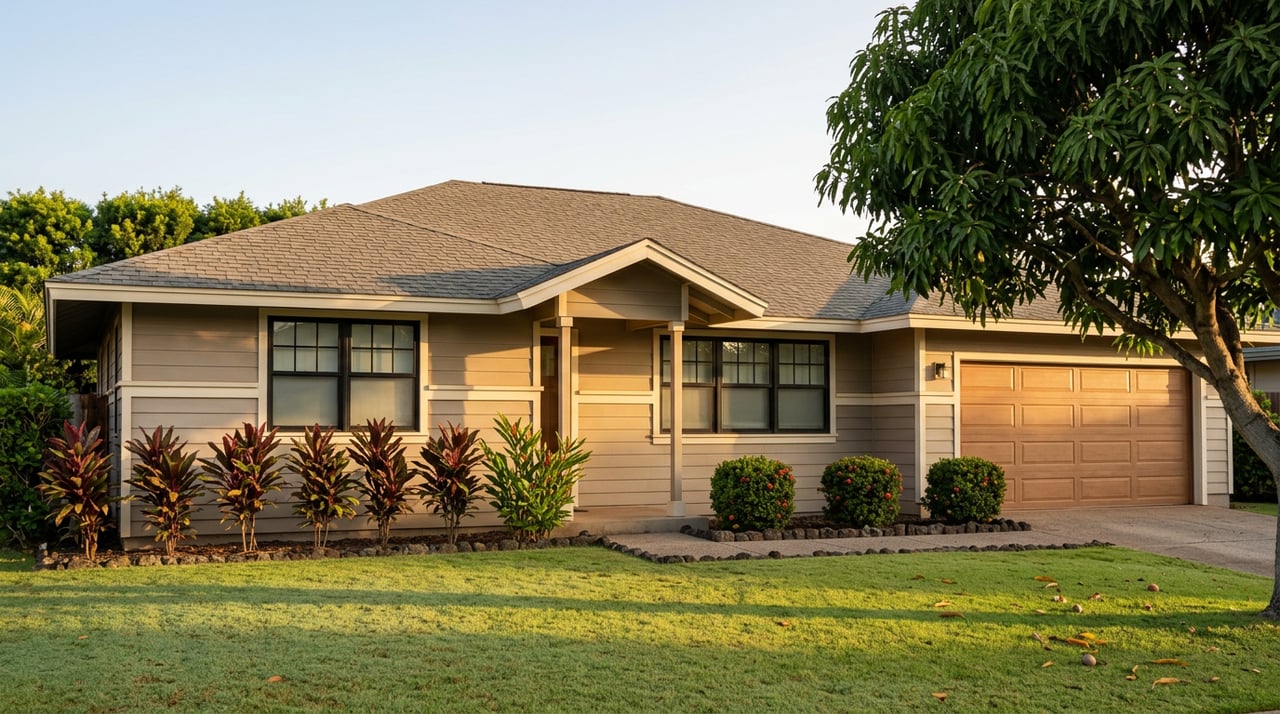
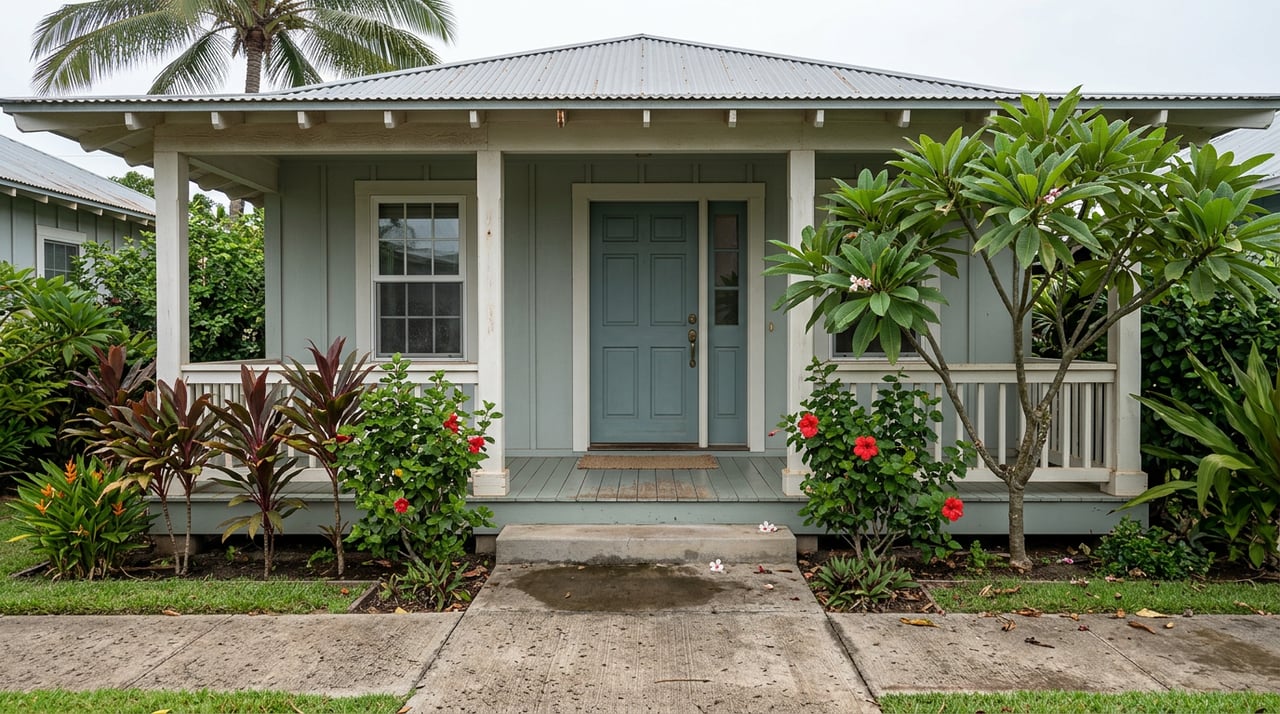
Walk Market Street on a weekday morning and you'll pass the line at Sam Sato's for saimin, the espresso crowd outside Wailuku Coffee Co., and the plate lunch regulars at Tasty Crust who've been coming since before some of the buildings around them had their current paint jobs. Wailuku's historic district wears its age well. Redwood-and-cedar plantation frames, ten-foot ceilings built for cross breezes, lots shaded by kukui and plumeria that someone planted two generations ago. It's also a neighborhood where a surprising number of these homes still handle wastewater the way they did in 1960: with a cesspool.
That single fact sits at the center of a conversation almost every Wailuku seller of an older home eventually has, and it's a conversation full of assumptions that don't quite hold up.
Hawaii's mandatory seller disclosure law, found in HRS Chapter 508D, requires the seller of most 1-to-4 unit residential properties to deliver a written disclosure statement covering the material facts of the property, generally within ten days of the buyer's signed acceptance. Buried inside that statement is a section that asks the seller to check one box: cesspool, septic system, or individual sewage treatment plant. It then asks for the system's location, when it was last pumped, how often, and whether it serves more than one dwelling, including an ohana unit.
For a plantation-era Wailuku home, this isn't a hypothetical form field. It's the first real fork in the road for how the sale gets priced and negotiated. And it's where a lot of sellers walk in believing something about the law that isn't quite true.
Here's the assumption I hear most often from owners of older Wailuku homes: that selling the house is what forces the cesspool issue. Put it on the market, the thinking goes, and the county or the state will require the system converted before the deal can close.
That is not the law today, and it almost became the law, which is worth understanding because the near-miss tells you where things are actually headed. A bill introduced in the 2023 session, SB427, would have required cesspool upgrade or conversion at the point of sale for properties within 500 feet of a shoreline, stream, wetland, or source water protection area. It was carried over to the 2024 session and never advanced. Instead of a point-of-sale mandate, the legislature has moved toward financing. The 2026 session passed HB1618, which established a Cesspool Conversion Revolving Loan Fund administered by the Hawaii Green Infrastructure Authority, offering low-interest or potentially forgivable loans rather than requiring anyone to act sooner.
So the statewide rule, as of today, remains what it's been since Act 125 passed in 2017: every cesspool in the state must be upgraded, converted, or connected to sewer by January 1, 2050, a deadline the EPA confirms has no waiver mechanism. A sale doesn't move that date up. What moves it up is something else entirely, and it's something a lot of Wailuku homes already have sitting in their history.
Hawaii's Department of Health rules do allow earlier action, but the triggers are specific. A cesspool that has been pumped more than twice, or has spilled once, can require earlier conversion. So can a building permit application for work that changes the amount or type of wastewater the system handles, most commonly adding a bathroom, bedroom, or kitchen.
That second trigger is the one worth sitting with if you own a Wailuku plantation home. Look at almost any current listing for one of these properties and you'll see the same pattern described in the marketing copy: a carport converted into a studio with its own bath, a lower level finished out as an unpermitted one-bedroom suite for extended family, an ohana addition built decades ago to house a grandparent or a grown child. These additions were often practical, sometimes necessary, and in many cases never went through a permit process that would have flagged the wastewater question at the time.
That history doesn't disappear because the house changes hands quietly. It resurfaces the moment anyone, buyer or seller, pulls a permit for future plumbing work, or the moment an inspector or appraiser asks the plain question: is this addition permitted, and what's it tied into. The sale itself isn't the trigger. The sale is simply the moment someone finally asks the question that the original addition should have answered years ago.
| Forces earlier conversion | Does not, by itself |
|---|---|
| Adding a bathroom, bedroom, or kitchen that changes wastewater load | Listing the property for sale |
| Cesspool pumped more than twice, or a spill | Buyer requesting a home inspection |
| Illness, odor, or unsanitary conditions tied to the system | Transferring title to a new owner |
A conversion from cesspool to an approved septic tank or aerobic treatment unit typically runs from $20,000 to well over $50,000, with the range driven heavily by soil composition, slope, and how accessible the lot is for equipment. Wailuku's in-town lots, tucked close together on streets that predate modern setbacks, often land toward the harder, costlier end of that range simply because there's less room to work.
State grant money exists to soften this, but it moves fast and doesn't stretch far. Earlier statewide pilot funding was exhausted within about two weeks of release. More recently, a fifty-slot reimbursement round of up to $20,000 each opened on Kauai, closing October 6, 2026. The pattern holds across the islands: these programs fund a handful of households at a time, not the housing stock. If you're counting on a grant to cover a conversion before you list, plan as if it may not be there when you need it.
What actually happens in escrow tends to fall into one of three patterns. A buyer requests a price credit equal to a formal engineering estimate for the future conversion, obtained during the inspection period. A buyer makes the offer contingent on the seller completing the conversion before title transfers, so they take ownership of a fully compliant system from day one. Or, where timing is tight on both sides, the parties agree to hold back a portion of the seller's proceeds in escrow to cover the cost after closing. None of these require the county to force anything. They're negotiated, which means the seller who shows up with a system that's been maintained, documented, and disclosed early has more room to steer which of the three outcomes they end up with.
Older in-town Wailuku parcels carry one more disclosure thread that pairs with the wastewater question. Several neighborhoods sit near stream channels connected to ʻĪao Valley, which means a seller also needs to confirm the parcel's FEMA flood zone status and be ready to answer insurance questions if it falls in a Special Flood Hazard Area. It's a separate checkbox on a separate part of the form, but for a buyer evaluating a plantation home a few blocks off Market Street or near the Wailuku Hongwanji Mission, the two questions tend to arrive in the same conversation. A seller who has answers ready for both moves the escrow along faster than one who's discovering the flood zone question for the first time from a lender.
If you own a plantation-era or mid-century Wailuku home and you're thinking about selling, the useful work happens before you list, not during escrow. Confirm what your wastewater system actually is and get its pumping history documented. If the house has any addition with its own bathroom or kitchen, however old, find out whether it was ever permitted, because that history is exactly what a buyer's inspector or lender will ask about. Check your parcel against the Hawaii Cesspool Prioritization Tool from the University of Hawaii Sea Grant program, which maps every cesspool in the state by environmental risk tier, so you know before a buyer does whether yours sits in a priority area. And if a conversion looks likely in your near future regardless of a sale, get a real engineering estimate now rather than during a fifteen-day inspection window, when you have far less leverage over the number.
None of this changes the 2050 deadline. What it changes is whether you're the one explaining your home's history to a buyer, or whether a buyer's inspector explains it to you first.
Does selling my Wailuku home force a cesspool conversion? No. The statewide deadline is 2050 regardless of ownership changes. A 2023 bill that would have required conversion at the point of sale for certain properties never advanced past introduction.
What if my home has an unpermitted addition with its own bathroom? That's the detail to run down before you list. A building modification that adds plumbing capacity is one of the specific triggers that can require conversion sooner than 2050, independent of any sale.
Is state grant money available right now to help cover this? Funding rounds exist but move quickly and are limited in size. Treat any grant as a possible offset, not a guaranteed source, when you're pricing a conversion into your plans.
Selling a plantation-era home in a neighborhood like Wailuku means selling its whole history along with the roofline and the mango trees. If you want a clear read on what your specific property's wastewater and permit history mean for your sale, MacArthur Team Maui can walk through it with you before you ever open escrow. Call or text the MacArthur Team to start the conversation.

A Quick Read
Connect with a trusted Maui real estate team ready to guide you confidently, whether buying, selling, or exploring island opportunities tailored to your lifestyle.